
Book a private reformer Pilates event in Manteca at Tone! Perfect for bachelorettes, birthdays, and team building. Reserve your private studio buyout in the 209.
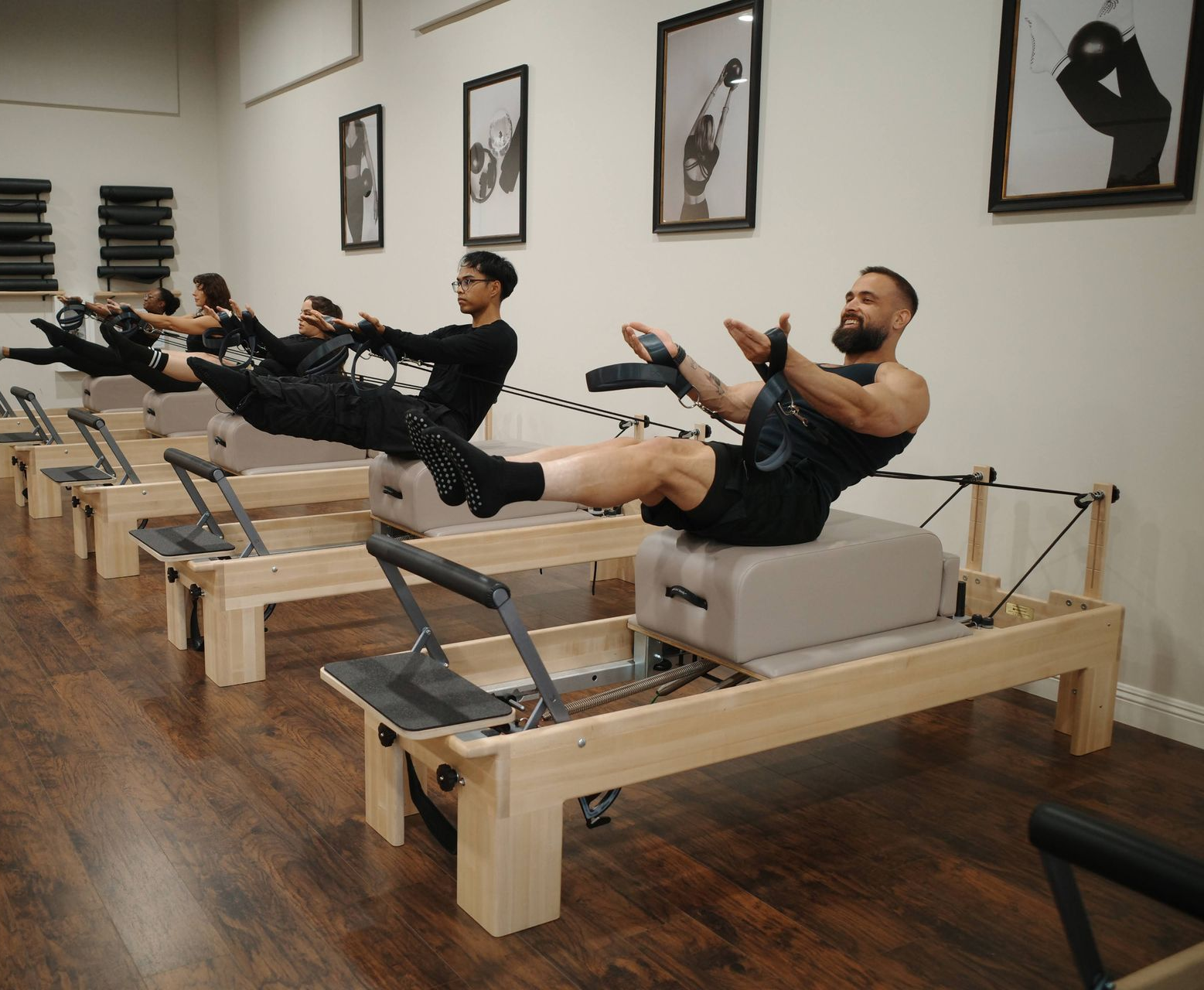
Reformer Pilates for Men: Why More Guys Are Booking Classes in the 209
What to Wear to Reformer Pilates: A Beginner's Checklist

If you run in the 209, you already know the pattern. You're logging miles through Manteca neighborhoods, along the Delta trails, or racing in Stockton and Modesto. You're fit. Your cardiovascular engine is strong. And every few months, something starts nagging. A tight hip. A cranky IT band. A knee that only speaks up on downhills. Running builds an incredible engine. What it doesn't build is the small stabilizing muscles that keep your joints tracking correctly at mile 12. That gap is where reformer Pilates lives. Here's why more and more runners across Manteca, Lathrop, Stockton, and Tracy are treating reformer Pilates as essential cross-training instead of an optional extra. The Real Problem Runners Face Running is a repetitive single-leg activity. Every stride is a controlled fall from one foot to the other, and every landing sends impact up through your ankle, knee, hip, and lower back. If your glutes, deep core, and hip stabilizers are strong, that impact gets absorbed and translated into forward momentum. If they're weak or asleep (which is common in desk-bound runners), the impact leaks into your joints and connective tissue instead. That's where overuse injuries come from. The three most common problem areas for recreational runners: Weak or dormant glutes, especially the glute medius Poor hip stability under single-leg load Limited pelvic and thoracic mobility Reformer Pilates addresses all three directly. What the Reformer Actually Does for Runners The reformer is essentially a strength-training tool with variable resistance, precise range-of-motion control, and a heavy emphasis on stabilization. For runners, this translates into four specific benefits: 1. Glute activation that actually holds up mid-run. Exercises like footwork, single-leg bridging, and side-lying leg series force your glute medius and maximus to fire under load. This is the same muscle group that keeps your knee from collapsing inward on impact. 2. Deep core strength that supports your posture at mile 20. The transverse abdominis and pelvic floor are the muscles that keep your torso stable when everything else is fatigued. Reformer work targets these constantly through breath-linked movement. 3. Hip mobility without losing stability. Runners tend to develop tight hip flexors from repetitive forward motion and hours of sitting. The reformer opens the hip flexors through movements like long stretch and lunges while simultaneously teaching your glutes to fire on the other side. 4. Ankle and foot strength. Reformer footwork trains the small muscles of the foot and ankle in ways that regular strength training simply doesn't. Stronger feet mean better shock absorption on every stride. Runners Who Add Reformer Pilates Report: Fewer nagging overuse injuries Faster recovery between hard training sessions Better posture in late-race fatigue Improved uphill strength and downhill control A more efficient stride (less energy leaked through unstable hips) How Often Should a Runner Do Reformer Pilates? Two classes per week is the standard prescription for runners in their base and build phases. That's frequent enough to build meaningful strength without competing with your run workouts for recovery. During race taper or an intense mileage block, one class per week is enough to maintain the gains. Ideally on a non-run day or paired with an easy shakeout run. Avoid stacking a hard reformer class the day before a key long run or speed session. Your stabilizers will be tired, and tired stabilizers are the injury zone. A Sample Runner's Week Base building phase, 30 to 40 miles per week: Monday: Easy run Tuesday: Reformer Pilates Wednesday: Speed work or tempo run Thursday: Easy run or rest Friday: Reformer Pilates Saturday: Long run Sunday: Rest or easy recovery walk This pattern gives you two reformer sessions bookending your speed work, with your long run protected on Saturday. The Local Angle The 209 is a great place to be a runner. Between the Manteca Marathon, half marathons in Stockton, trail races in the Delta, and easy access to training routes across Lathrop and Tracy, there's a strong running community here. What's missing for a lot of local runners is a structured strength-and-mobility practice that actually complements their training instead of competing with it. That's exactly the gap reformer Pilates fills. At Tone Reformer Pilates in Manteca, we have runners of every level in our classes, from casual 5K runners to marathoners chasing Boston qualifiers. Our instructors understand the demands of running and can offer modifications when you're mid-training-block. Getting Started If you're a runner curious about adding reformer Pilates to your training, our intro offer is the easiest way to test it. Three classes lets you feel the difference in one to two weeks of real training. Come to your first class after an easy run day, not after a long run. Bring a water bottle, wear fitted athletic clothes, and expect to work. Book at tonereformerpilates.com. We're at 941 Lifestyle St in Manteca, serving runners from across the 209.
Why Consistency Beats Intensity in Reformer Pilates
5 Reasons Pilates Is the Workout Built for Longevity
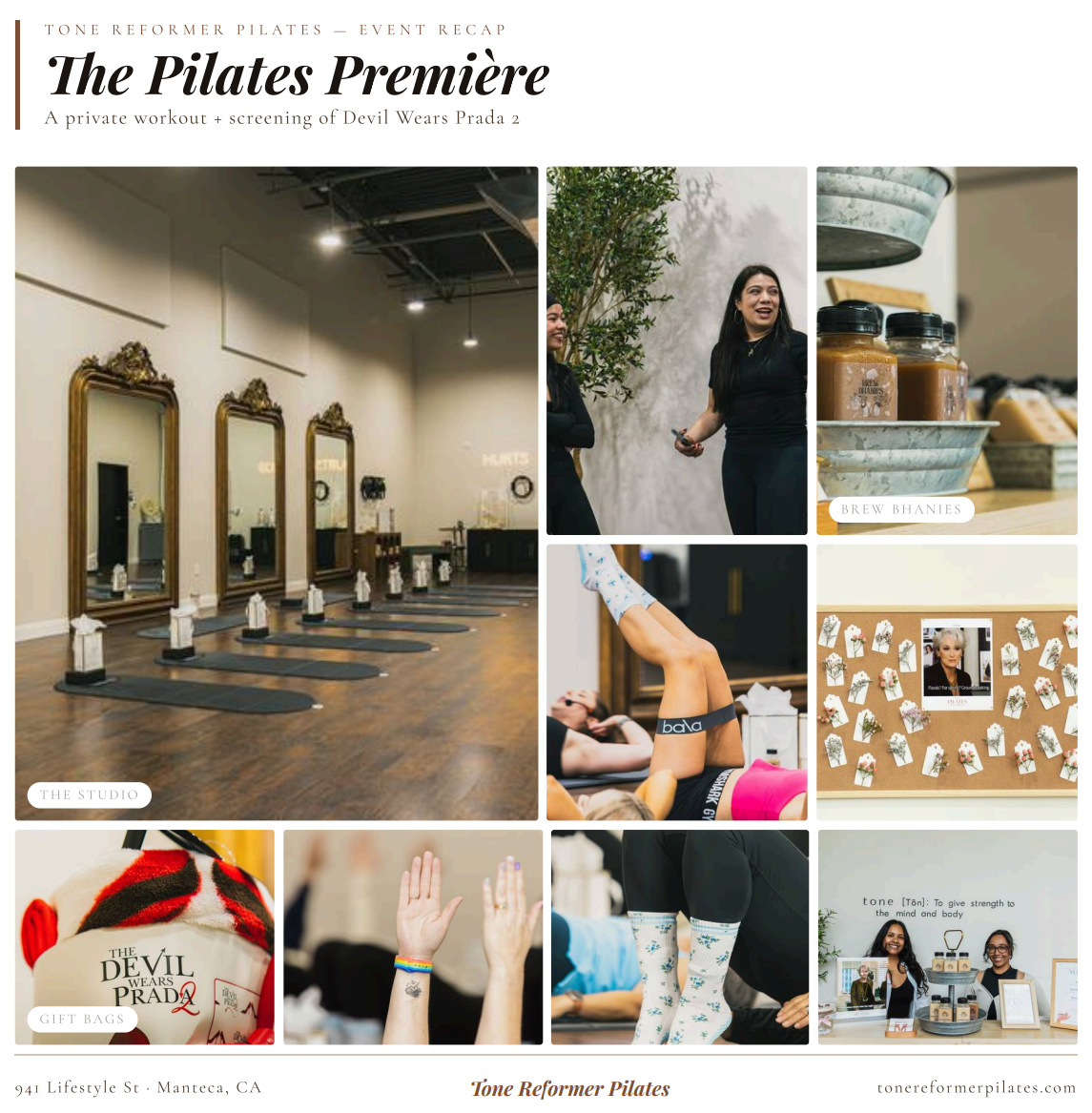
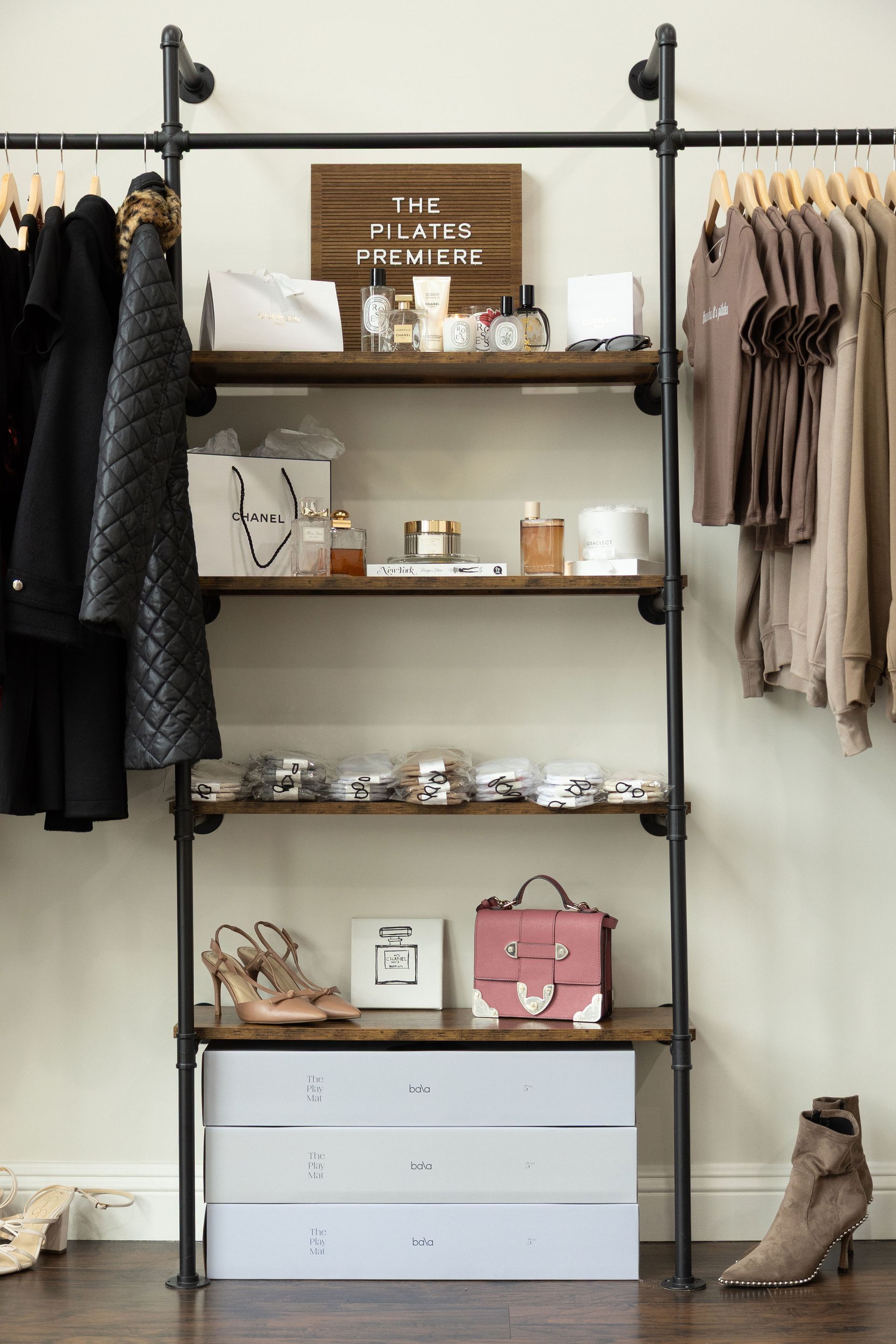
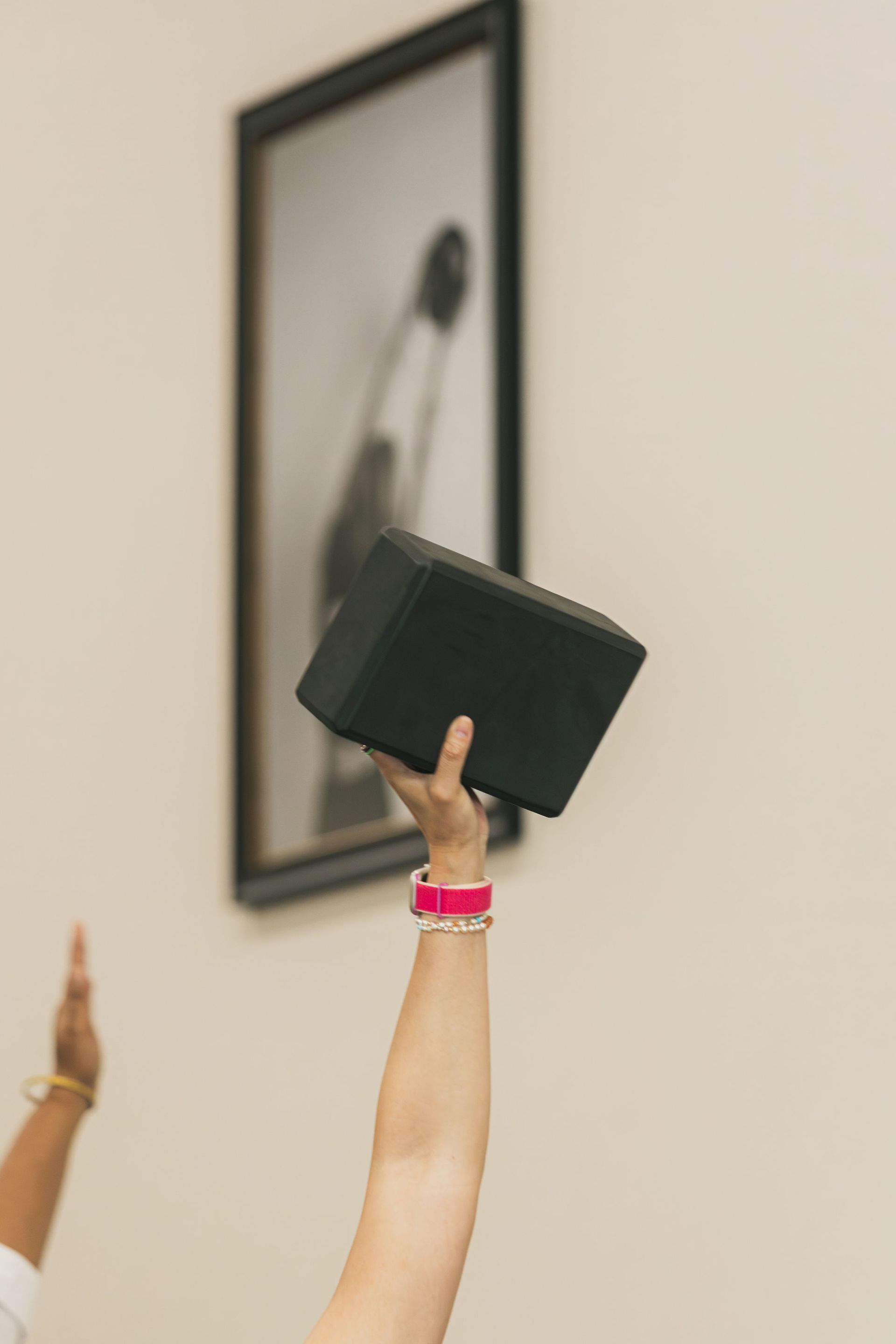
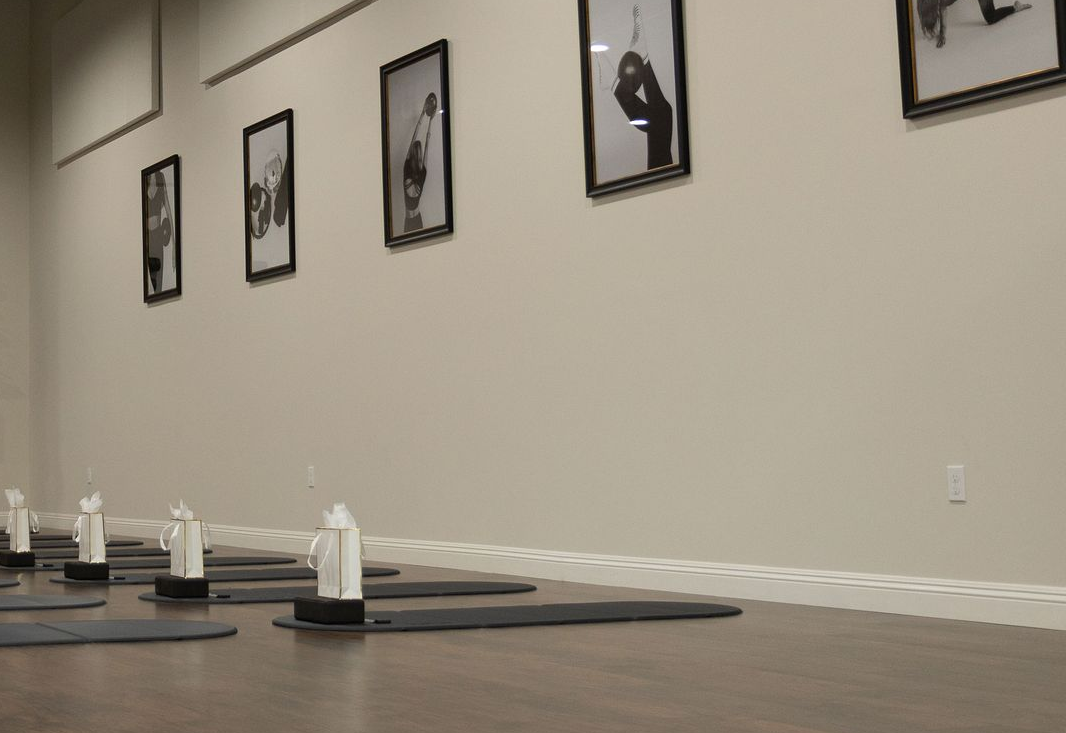
The Pilates Première: A Night Unlike Any Other at Tone Reformer Pilates Pilates. Shopping. A bowl. A private screening. One unforgettable night. At Tone Reformer Pilates, we believe the studio should be more than a place to work out — it should be a community, a creative space, and yes, a launching pad for unforgettable experiences. The Pilates Première was exactly that. We organized an exclusive client event that took everyone from the mat to the movies, with stops along the way that made the whole night feel like a true production. It Started on the Mat Clients came to the studio for a themed mat Pilates class — and we made sure the room was ready for its close-up. Every mat was staged with a curated gift bag from our incredible sponsors, waiting for guests when they walked in. The ornate gold-framed mirrors, the "HURTS SO GOOD" neon sign, the warm lighting — it all set the tone (pun intended). Our instructors led an energized class that had legs in the air and hands raised by the end. The energy in the room was something else entirely. The Gift Bags Each guest received a thoughtfully curated gift bag filled with goodies from multiple sponsors — think Devil Wears Prada 2 themed items, branded gear, and more. It was a whole moment before the night even really started. The Coffee Bar We partnered with local Manteca favorite Brew Bhanies for the occasion. Their cold brew was staged in galvanized trays alongside a full themed menu — "That's All," "The Priestly Spice," and "Runway Reserve." Because nothing pairs better with Pilates than a great iced coffee. The Cork Board Moment Pinned near the entrance: Miranda Priestly herself — a meme of her iconic "Florals? For spring? Groundbreaking." surrounded by custom floral gift tags. Guests walked in smiling before class even started. The details matter. An Exclusive Shopping Experience at JCPenney After class, guests were treated to a special, exclusive shopping experience at JCPenney. Think runway-ready looks, curated just for the night. It was the perfect transition between the studio energy and the cinematic experience ahead. Vitaly Bowl Before the Show Before heading to the theater, guests fueled up at Vitality Bowl — fresh, nourishing, and exactly the kind of meal that keeps you feeling as good as you look after a Pilates class. A Private Screening of The Devil Wears Prada 2 We rented a private AMC screening of The Devil Wears Prada 2, and tickets — purchased directly through us — came with something special: a Compact Bala Mat . AMC contributed gift bag items that added even more to the experience. Guests settled in, Miranda Priestly took the screen, and the night came full circle. Why We Do This Events like The Pilates Première are how we celebrate our clients and remind Manteca that world-class experiences don't require a drive to San Francisco or LA. We're just getting started. If you missed this one, stay close. More is coming.
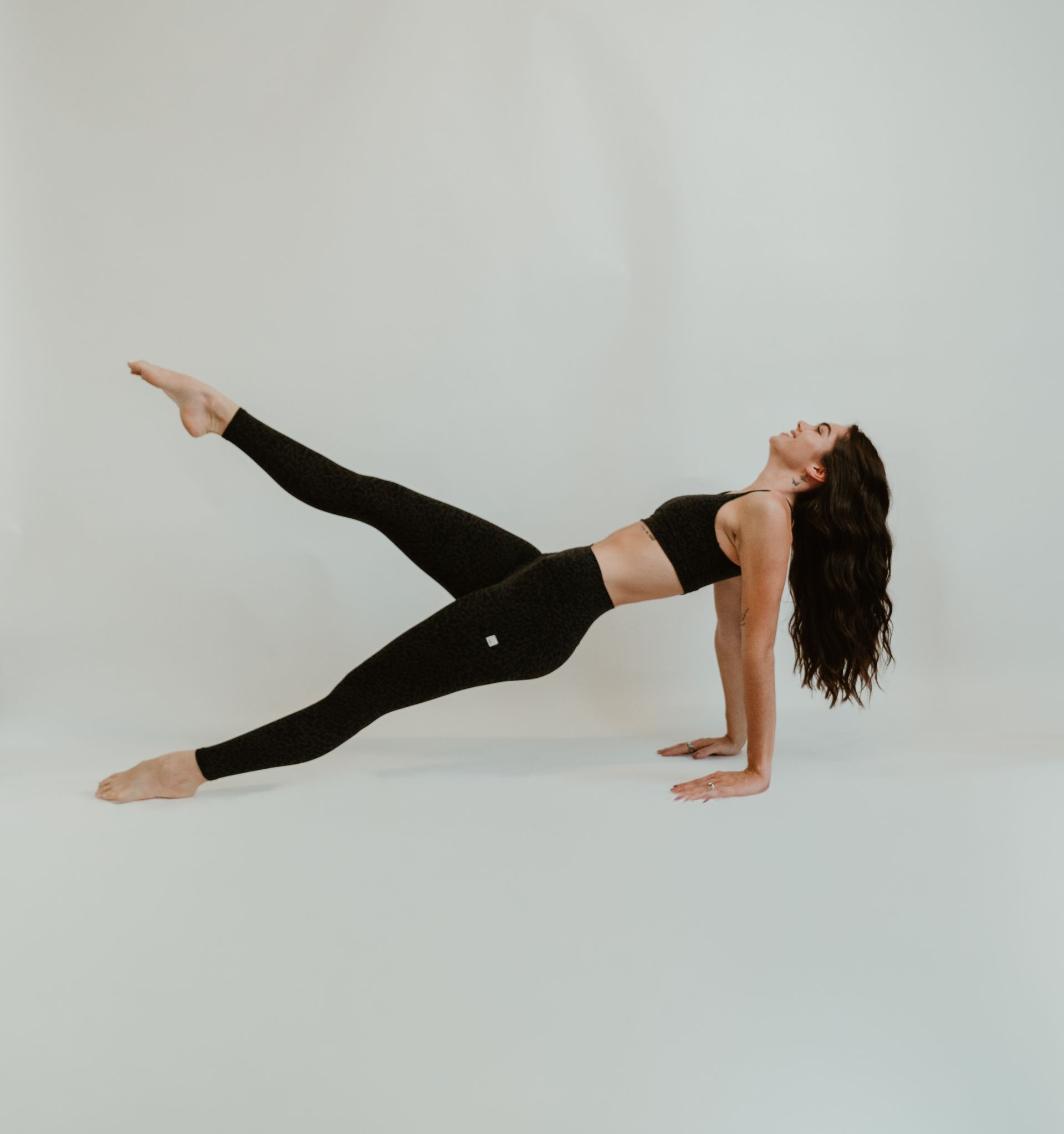
Mat vs. Reformer Pilates: Which One Is Right for You? If you've been curious about Pilates but aren't sure where to start, you've probably come across two options: mat Pilates and reformer Pilates. Both are wonderful, but they feel very different, and knowing which one suits you can make all the difference. What Is Mat Pilates? Mat Pilates uses just your body weight and a mat to guide you through a series of controlled movements. It's accessible, affordable, and easy to do almost anywhere. Classes focus on core strength, flexibility, and body awareness, and they're a beautiful introduction to the Pilates method. What Is Reformer Pilates? The reformer is a sliding carriage machine that uses springs for resistance. It looks a little intimidating at first (we get it!), but it's actually incredibly versatile and welcoming for all fitness levels. The machine adds both support and challenge, meaning it can be easier on your joints while delivering a deeper, more dynamic workout than you'd get on a mat alone. Key Differences at a Glance When it comes to resistance, mat Pilates relies on gravity while the reformer uses adjustable spring tension. The reformer also offers hundreds of exercises across multiple positions including lying, sitting, standing, and kneeling, giving you far more variety. For beginners, the reformer can actually assist you through movements that mat work makes harder, making it the gentler starting point. Both methods build strength and flexibility, but reformer workouts tend to challenge your full body more comprehensively. So Which One Is Right for You? If you're brand new to Pilates or working through an injury, the reformer is often the gentler, more guided choice. Many women find that starting on the reformer gives them a richer understanding of the movements, making them better at everything else too. And for those who want to experience the full range of what Pilates has to offer, having access to both in one studio makes it easy to find what works best for your body and your goals. At Tone Reformer Pilates in Manteca, CA, we specialize in reformer sessions designed for women at every level. We also offer mat classes for those who want to build on the basics or mix up their practice. Whether it's your very first class or you're ready to level up, you'll feel right at home from the moment you walk in the door. → Ready to try it? Book your first class at Tone Reformer Pilates today.
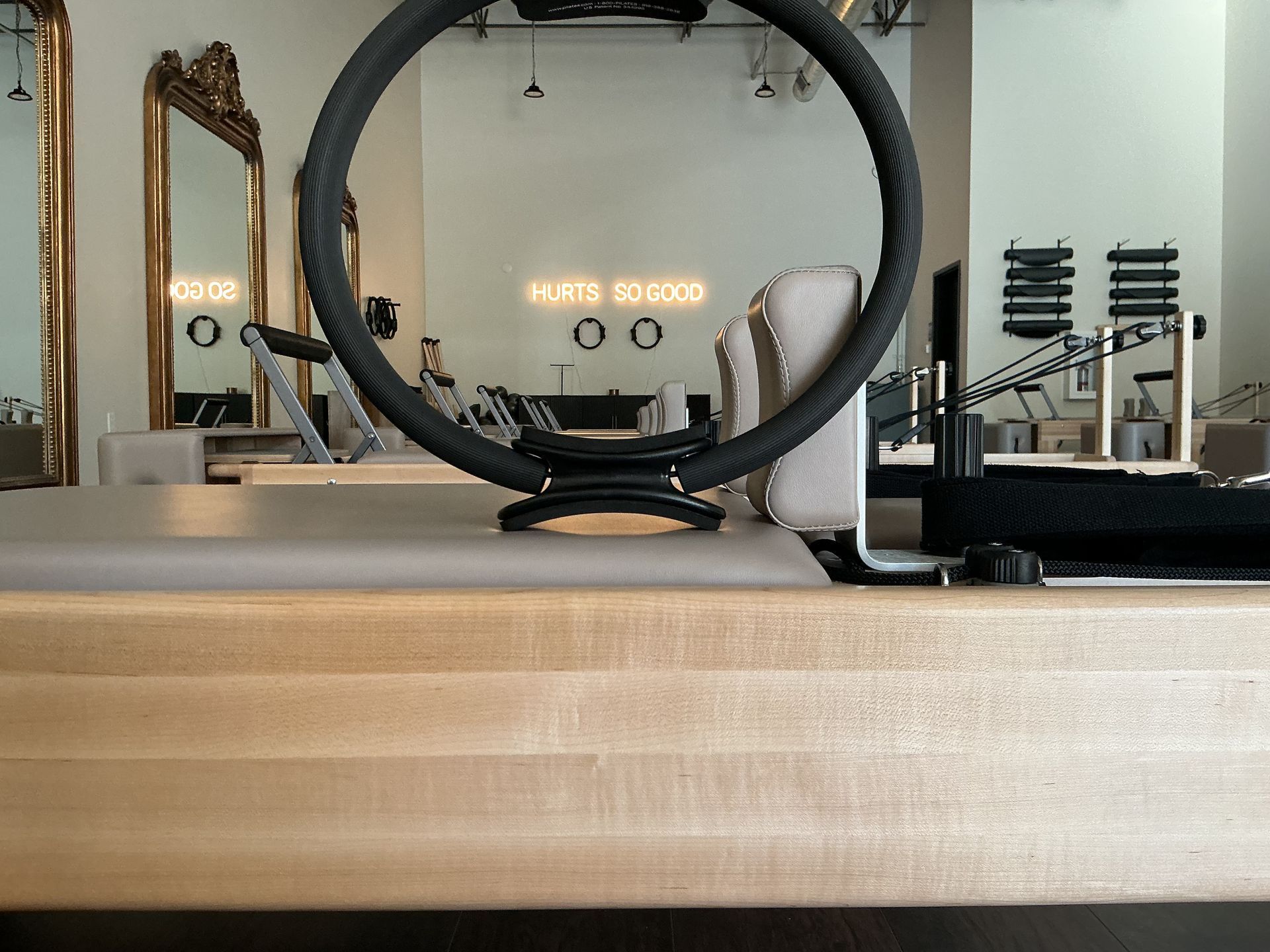
Manteca has waited long enough for a fitness experience that balances precision with power. As the first Reformer Pilates studio in the city, Tone Reformer Pilates is more than a gym. It is a specialized environment designed for those ready to move past the plateau of standard workouts and into a practice built on resistance and control. The Reformer Advantage The Reformer is the centerpiece of our methodology. While mat classes offer a solid foundation, our 12 high-performance machines provide the mechanical resistance needed to sculpt lean muscle and improve postural alignment. This is high impact, low impact movement that yields visible results. For the many local residents who have created an account but have yet to take that first spring loaded step, the machine is the difference between a workout you endure and a practice you master. Establishing Momentum Success in fitness is rarely about intensity alone; it is about consistency. Our Monday Momentum strategy is built on a simple professional truth: the way you start your week dictates your physical trajectory. Waiting for the "perfect" time often leads to empty slots on the schedule. By joining our community of expert instructors and our operations team led by Isabella, you gain access to a blueprint for longevity. We have seen the shift in those who move from occasional drop ins to committed members. The results follow the commitment. Your Transition to Mastery Curiosity brought you to our database, but commitment will keep you on the Reformer. If you have been utilizing unpaid sessions or one off drop ins, you have felt the initial potential of this practice. Now is the time to formalize your progress. Transitioning to a New Client Intro Package or a monthly subscription ensures your spot is reserved during peak hours and locks in your path toward your fitness goals. The studio is ready. The machines are set. It is time to move from the sidelines to the Reformer. Stop being a stranger to the system. Book your next session today and use that momentum to redefine what your body can achieve. Explore our membership options on the portal now.