
The best Pilates gift ideas for 2026, from class packs and gift cards to grip socks and stocking stuffers. Picks from a Manteca reformer studio.
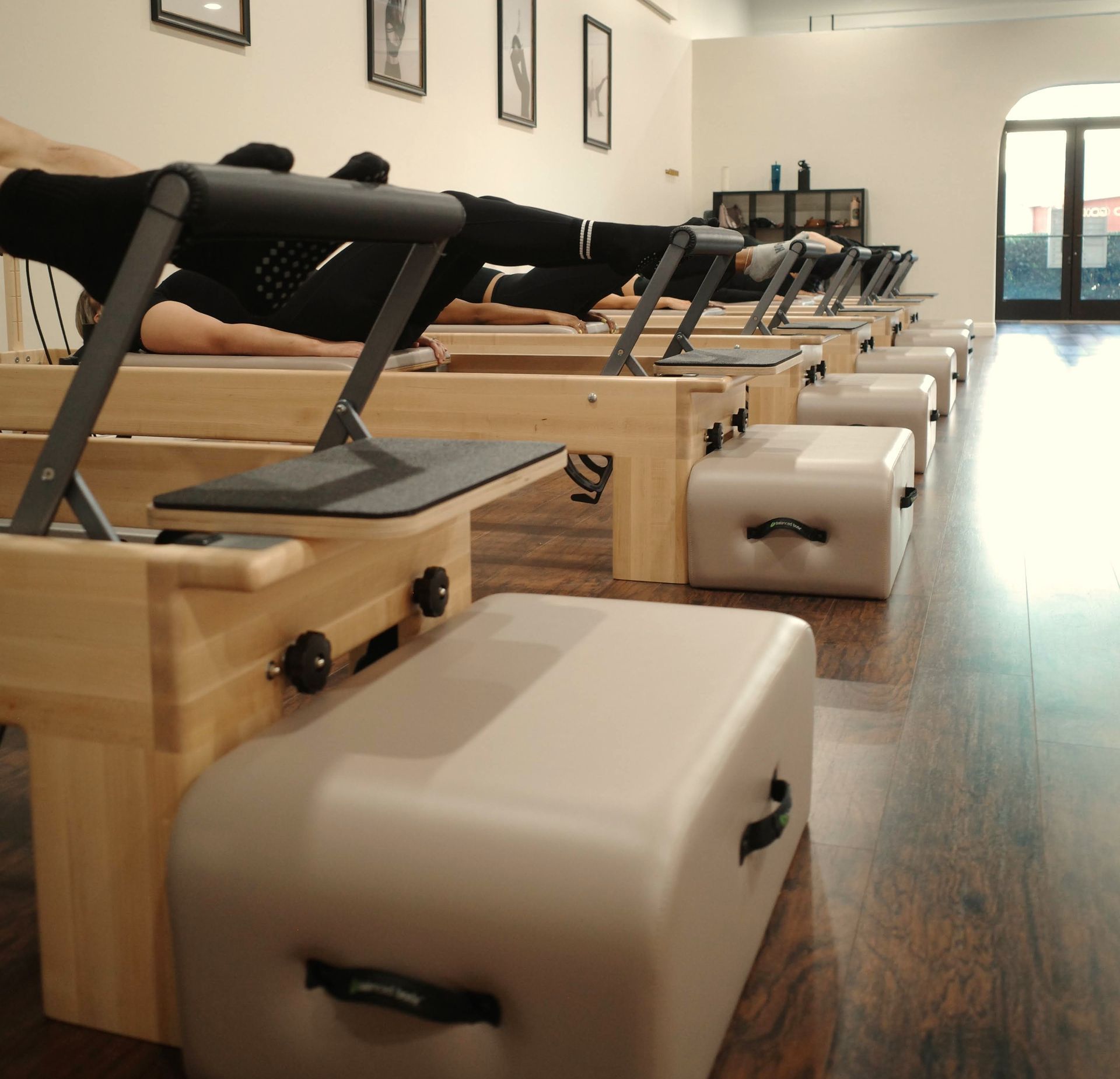
Reformer classes at Tone are capped at 12, so your instructor can watch you closely.
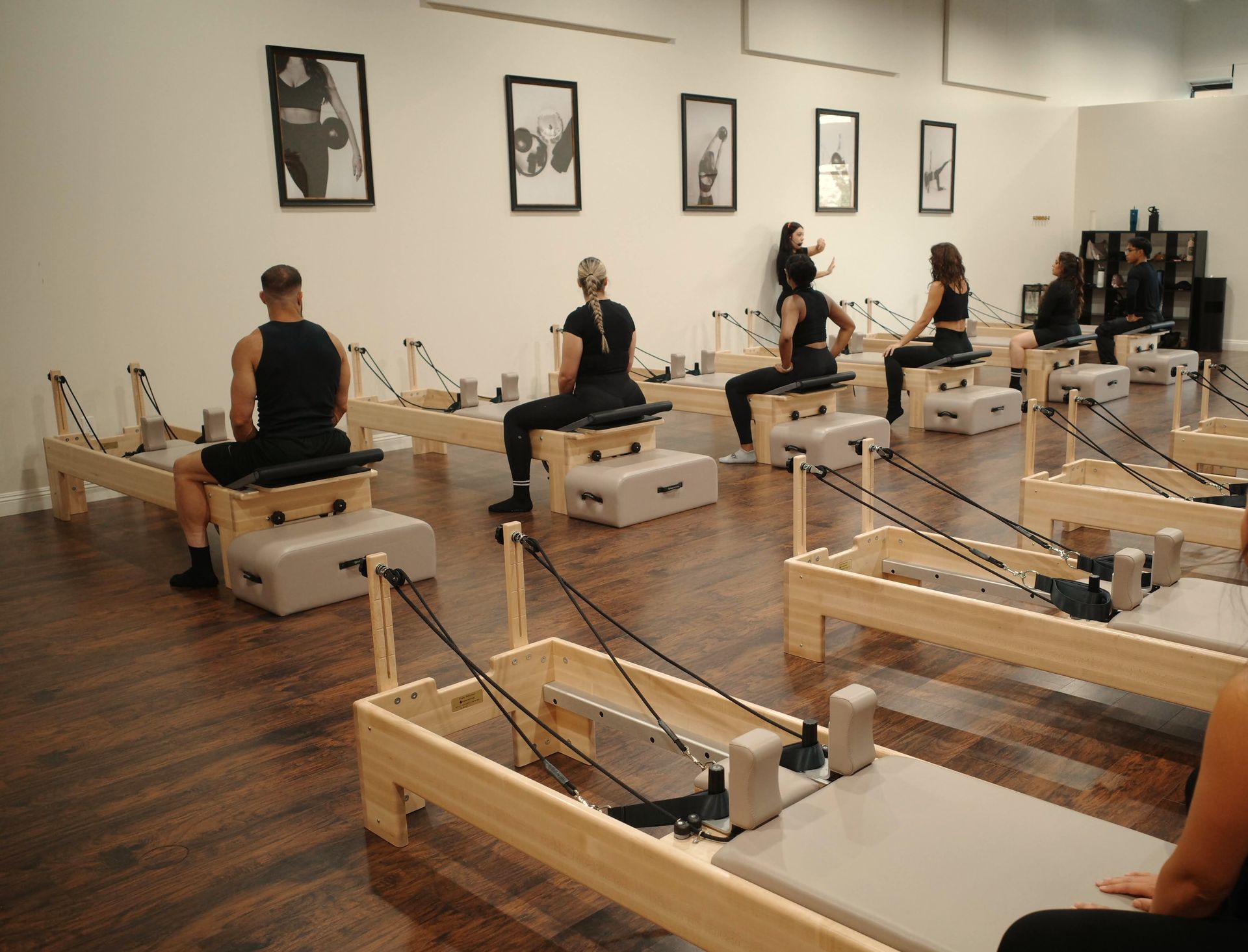
Yes, reformer Pilates counts as strength training. See how spring resistance builds muscle, what the research shows, and how often to train for results.
Comparing Pilates studios in Manteca? Ask these 8 questions about class size, instructors, intro options, and memberships before you book your first class.
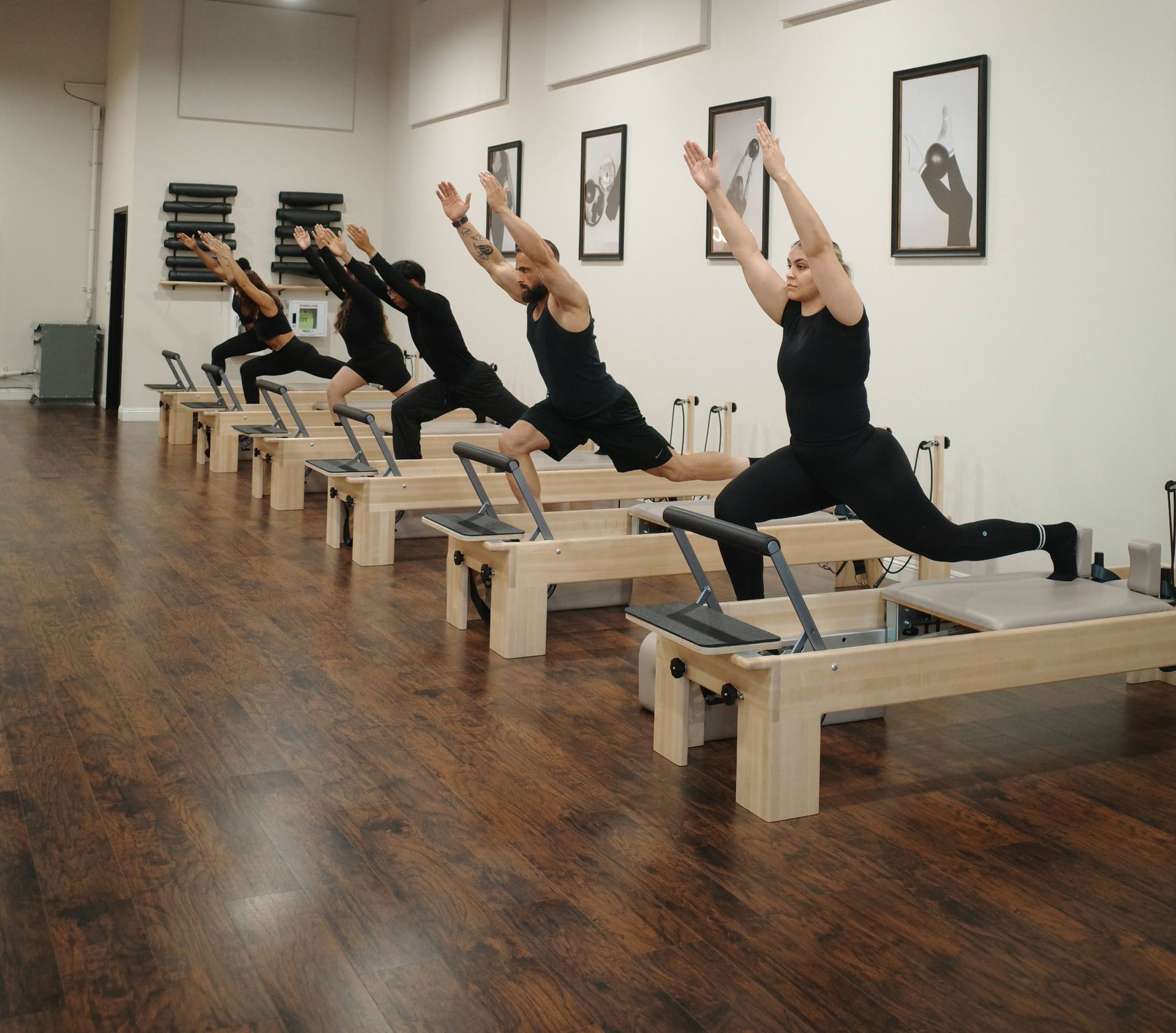
Private reformer Pilates events at Tone in Manteca. bachelorette parties, milestone birthdays, corporate wellness, and studio buyouts. Book yours.

Book a private reformer Pilates event in Manteca at Tone! Perfect for bachelorettes, birthdays, and team building. Reserve your private studio buyout in the 209.
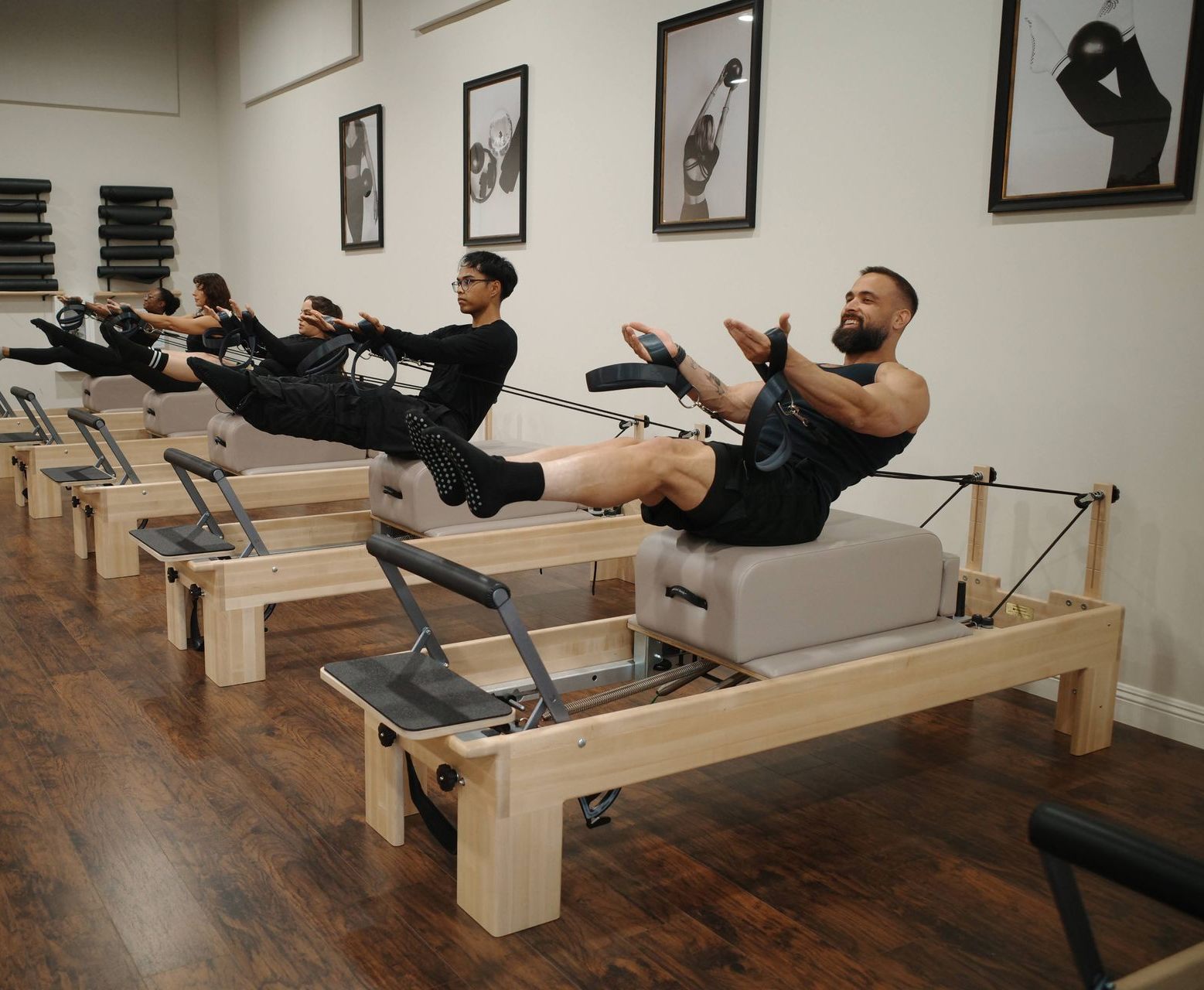
Reformer Pilates for Men: Why More Guys Are Booking Classes in the 209
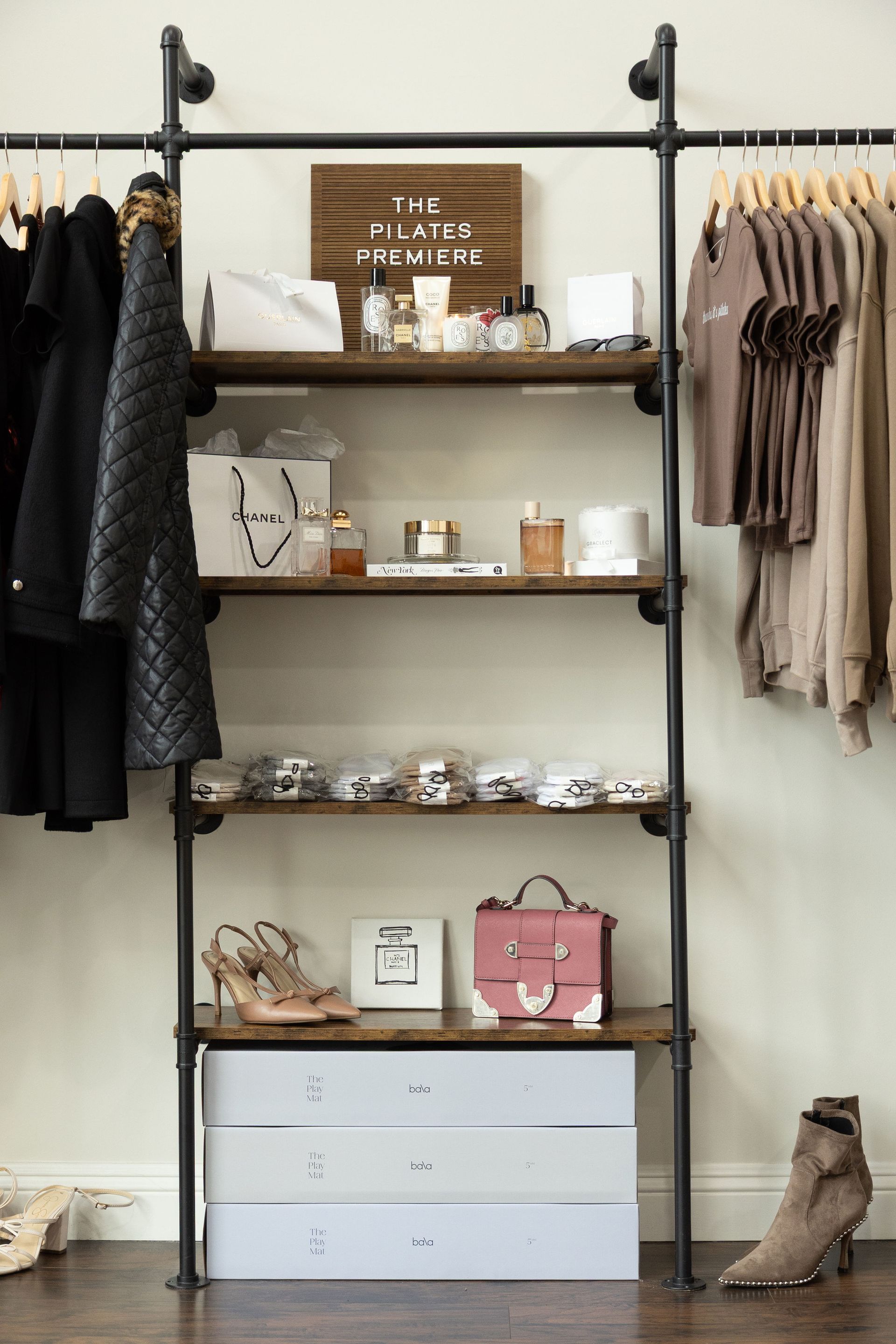
What to Wear to Reformer Pilates: A Beginner's Checklist
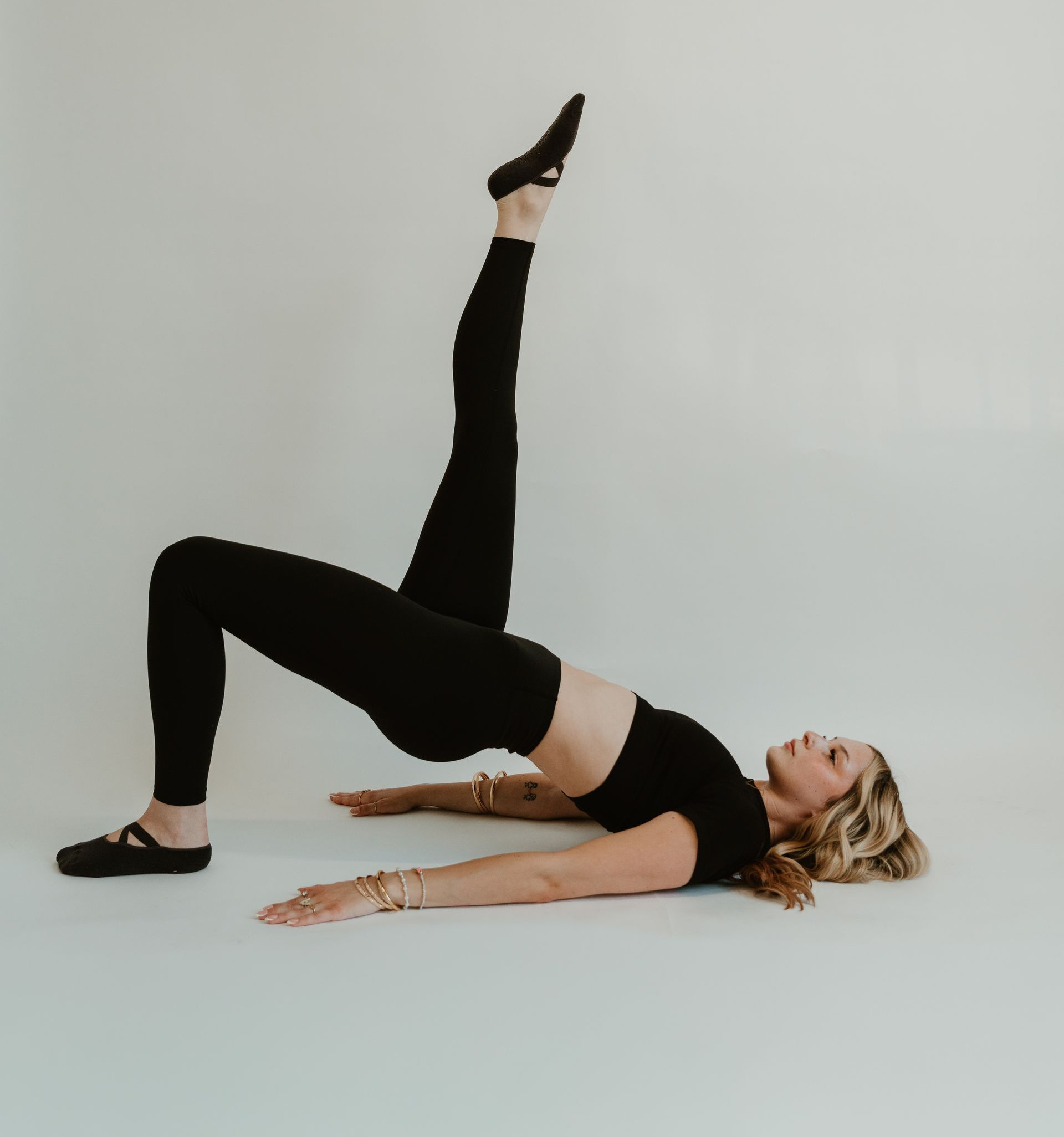
A Realistic Weekly Guide for Beginners

If you run in the 209, you already know the pattern. You're logging miles through Manteca neighborhoods, along the Delta trails, or racing in Stockton and Modesto. You're fit. Your cardiovascular engine is strong. And every few months, something starts nagging. A tight hip. A cranky IT band. A knee that only speaks up on downhills. Running builds an incredible engine. What it doesn't build is the small stabilizing muscles that keep your joints tracking correctly at mile 12. That gap is where reformer Pilates lives. Here's why more and more runners across Manteca, Lathrop, Stockton, and Tracy are treating reformer Pilates as essential cross-training instead of an optional extra. The Real Problem Runners Face Running is a repetitive single-leg activity. Every stride is a controlled fall from one foot to the other, and every landing sends impact up through your ankle, knee, hip, and lower back. If your glutes, deep core, and hip stabilizers are strong, that impact gets absorbed and translated into forward momentum. If they're weak or asleep (which is common in desk-bound runners), the impact leaks into your joints and connective tissue instead. That's where overuse injuries come from. The three most common problem areas for recreational runners: Weak or dormant glutes, especially the glute medius Poor hip stability under single-leg load Limited pelvic and thoracic mobility Reformer Pilates addresses all three directly. What the Reformer Actually Does for Runners The reformer is essentially a strength-training tool with variable resistance, precise range-of-motion control, and a heavy emphasis on stabilization. For runners, this translates into four specific benefits: 1. Glute activation that actually holds up mid-run. Exercises like footwork, single-leg bridging, and side-lying leg series force your glute medius and maximus to fire under load. This is the same muscle group that keeps your knee from collapsing inward on impact. 2. Deep core strength that supports your posture at mile 20. The transverse abdominis and pelvic floor are the muscles that keep your torso stable when everything else is fatigued. Reformer work targets these constantly through breath-linked movement. 3. Hip mobility without losing stability. Runners tend to develop tight hip flexors from repetitive forward motion and hours of sitting. The reformer opens the hip flexors through movements like long stretch and lunges while simultaneously teaching your glutes to fire on the other side. 4. Ankle and foot strength. Reformer footwork trains the small muscles of the foot and ankle in ways that regular strength training simply doesn't. Stronger feet mean better shock absorption on every stride. Runners Who Add Reformer Pilates Report: Fewer nagging overuse injuries Faster recovery between hard training sessions Better posture in late-race fatigue Improved uphill strength and downhill control A more efficient stride (less energy leaked through unstable hips) How Often Should a Runner Do Reformer Pilates? Two classes per week is the standard prescription for runners in their base and build phases. That's frequent enough to build meaningful strength without competing with your run workouts for recovery. During race taper or an intense mileage block, one class per week is enough to maintain the gains. Ideally on a non-run day or paired with an easy shakeout run. Avoid stacking a hard reformer class the day before a key long run or speed session. Your stabilizers will be tired, and tired stabilizers are the injury zone. A Sample Runner's Week Base building phase, 30 to 40 miles per week: Monday: Easy run Tuesday: Reformer Pilates Wednesday: Speed work or tempo run Thursday: Easy run or rest Friday: Reformer Pilates Saturday: Long run Sunday: Rest or easy recovery walk This pattern gives you two reformer sessions bookending your speed work, with your long run protected on Saturday. The Local Angle The 209 is a great place to be a runner. Between the Manteca Marathon, half marathons in Stockton, trail races in the Delta, and easy access to training routes across Lathrop and Tracy, there's a strong running community here. What's missing for a lot of local runners is a structured strength-and-mobility practice that actually complements their training instead of competing with it. That's exactly the gap reformer Pilates fills. At Tone Reformer Pilates in Manteca, we have runners of every level in our classes, from casual 5K runners to marathoners chasing Boston qualifiers. Our instructors understand the demands of running and can offer modifications when you're mid-training-block. Getting Started If you're a runner curious about adding reformer Pilates to your training, our intro offer is the easiest way to test it. Three classes lets you feel the difference in one to two weeks of real training. Come to your first class after an easy run day, not after a long run. Bring a water bottle, wear fitted athletic clothes, and expect to work. Book at tonereformerpilates.com. We're at 941 Lifestyle St in Manteca, serving runners from across the 209.