
How to Choose a Pilates Studio in Manteca: 8 Questions to Ask Before You Book

October 21, 2026

Share this article

Pilates is having a moment. It was the most-booked workout on ClassPass worldwide for the third year in a row in 2025, and more Pilates options are opening across the 209. If you're choosing a Pilates studio in Manteca, that's good news. It also means more websites that look the same: the same reformers, the same promises.


The real differences show up once you're on the carriage. Here are the eight questions worth asking any studio before you book, ours included.


The Short Answer


The right Pilates studio keeps classes small, starts beginners properly, has well-trained instructors, offers variety you'll actually use, and explains booking and membership rules clearly. Ask these eight questions. A good studio will answer every one before you pay.


1. How Many People Are in Each Reformer Class?


Class size decides how much coaching you get. With about a dozen people, an instructor can see every carriage, catch a spring setting that's too heavy, and cue your form by name. In bigger rooms, you're mostly following along.


At Tone, every reformer class is capped at 12 reformers.


2. Are Classes Scripted, or Does Each Instructor Build Their Own?


Some studios teach the same programmed class across every instructor and location. That keeps things predictable, but it can start to feel repetitive after a few months.


At Tone, classes aren't scripted. Each instructor builds their own class, so a Tuesday Signature class with one instructor feels different from a Saturday class with another. That variety keeps your body adapting and keeps class from feeling like a rerun.


3. How Does the Studio Start Brand New Clients?


The reformer has springs, straps, and a carriage that moves. A good studio doesn't drop first-timers into a fast class and hope for the best.


At Tone, anyone new to the reformer, or who hasn't taken a reformer class in the last six months, starts with a Reformer: Intro class. You learn the equipment and the fundamentals first, then join the regular schedule with confidence.


4. What Kinds of Classes Are on the Schedule?


Variety lets you train strength, mobility, and recovery without getting bored. Look for a schedule with different focuses and levels. Tone's current lineup:


* Reformer: Intro, Signature, Core, Glutes and Legs, Synergy, Barre, Jump Board, Stretch & Recovery, Gentle Flow, and Advanced

* Mat: Pilates Sculpt and Barre Sculpt

* Cardio Dance


Every class runs 45 minutes.


5. Who Are the Instructors, and How Were They Trained?


Pilates certifications range from short weekend courses to comprehensive programs that take hundreds of hours. It's fair to ask where an instructor trained and how long they've taught.


You can meet the Tone team on our Instructors page, and our front desk is happy to match you with an instructor who fits your goals.


6. How Easy Is It to Book, Cancel, and Switch Classes?


Life happens. Check the cancellation window, whether there's a waitlist, and whether booking works from your phone.


Tone clients book on our website or in the Tone app, available on the Apple App Store and Google Play. Our cancellation window is 12 hours before class, so you can plan your week with room to adjust.


7. What Does a Membership Actually Include?


Ask about enrollment fees, minimum terms, and perks before you sign anything.


At Tone, there's no enrollment fee on memberships. Unlimited members get two guest passes a month and 12 Class members get one, so you can bring a friend. Active members also get discounts at local partner businesses.


8. Does It Feel Like a Community?


The studio you stick with is usually the one where people know your name. Look for events, member appreciation, and a front desk that greets you when you walk in.


Tone hosts themed community classes, member appreciation events, and private parties for birthdays and celebrations.


Tone Reformer Pilates: Quick Facts


* Manteca's first boutique reformer Pilates studio, open since December 2025

* Address: 941 Lifestyle St, Manteca, CA 95337

* Phone: (209) 340-1655

* Reformer classes: 45 minutes, capped at 12

* First reformer class: Reformer: Intro

* Booking: tonereformerpilates.com/schedule or the Tone app

* Serving Manteca, Lathrop, Ripon, Stockton, Tracy, and the greater 209


Frequently Asked Questions


How much does reformer Pilates cost in Manteca?


At Tone, the New Client Reformer Intro is 3 classes for $59, used within 21 days. After that, class packs and memberships are listed on our schedule page. Memberships lower your per-class cost if you come twice a week or more.


Do I need Pilates experience to start?


No. The Reformer: Intro class is built for first-timers, and instructors offer modifications in every class.


What's the difference between reformer and mat Pilates?


Reformer Pilates uses a spring-loaded machine for adjustable resistance and support. Mat Pilates uses your body weight on the floor. Both build core strength; the reformer adds more resistance and more ways to modify.


Is Tone convenient for Lathrop, Ripon, and Tracy?


Yes. We're at 941 Lifestyle St in Manteca, a short drive for clients across Lathrop, Ripon, Stockton, and Tracy.


Ready to Choose Your Pilates Studio in Manteca?


The best way to judge a studio is to take a class. Start with our New Client Reformer Intro and see how Tone feels from the carriage. Book at tonereformerpilates.com/schedule or call (209) 340-1655. We'd love to have you in class.


Recent Posts

Tone Reformer Pilates gift card and grip socks on a reformer in Manteca, CA
November 16, 2026
The best Pilates gift ideas for 2026, from class packs and gift cards to grip socks and stocking stuffers. Picks from a Manteca reformer studio.
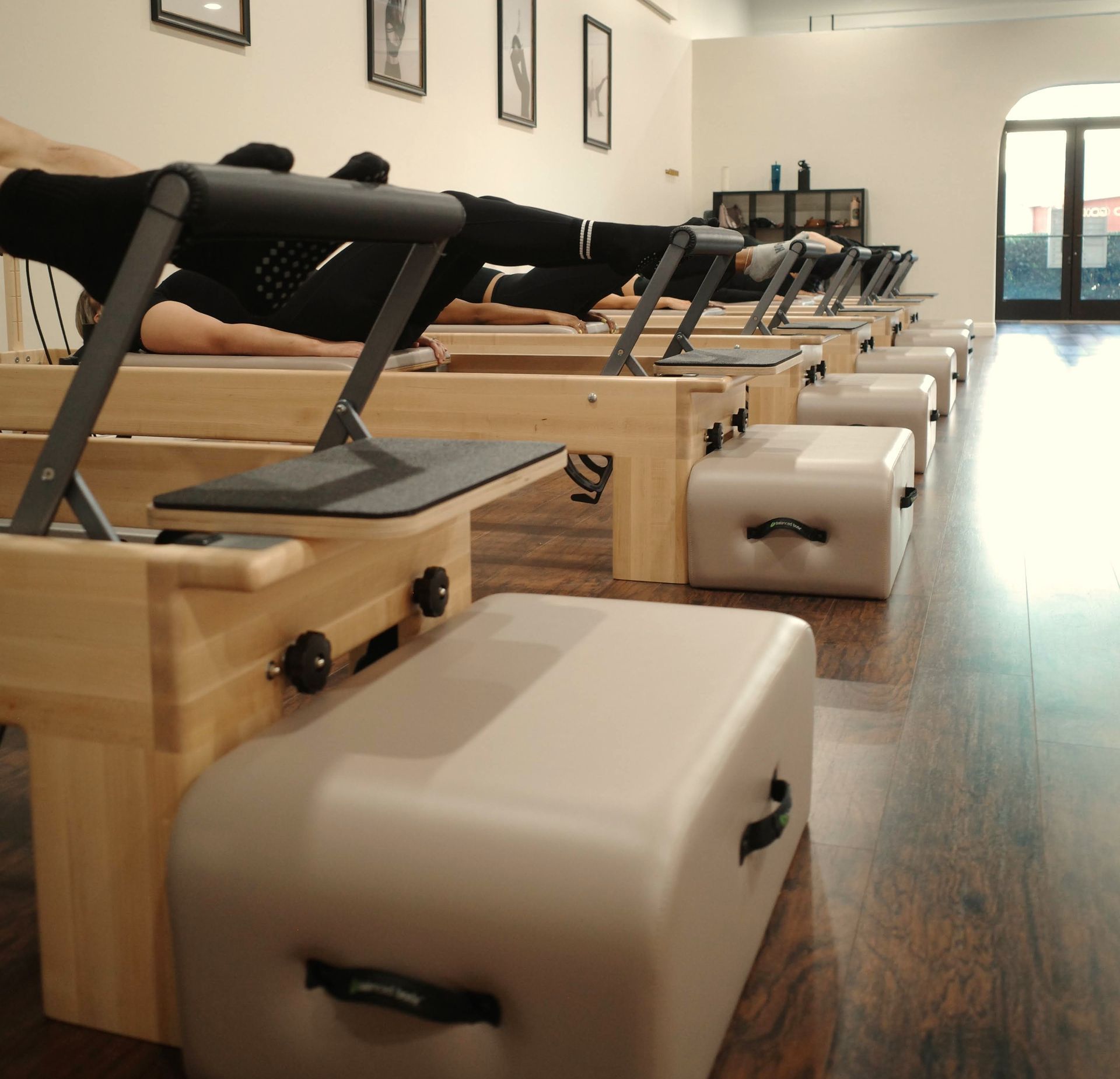
Group reformer Pilates class at Tone Reformer Pilates in Manteca, CA, with clients lying face down
November 9, 2026
Reformer classes at Tone are capped at 12, so your instructor can watch you closely.
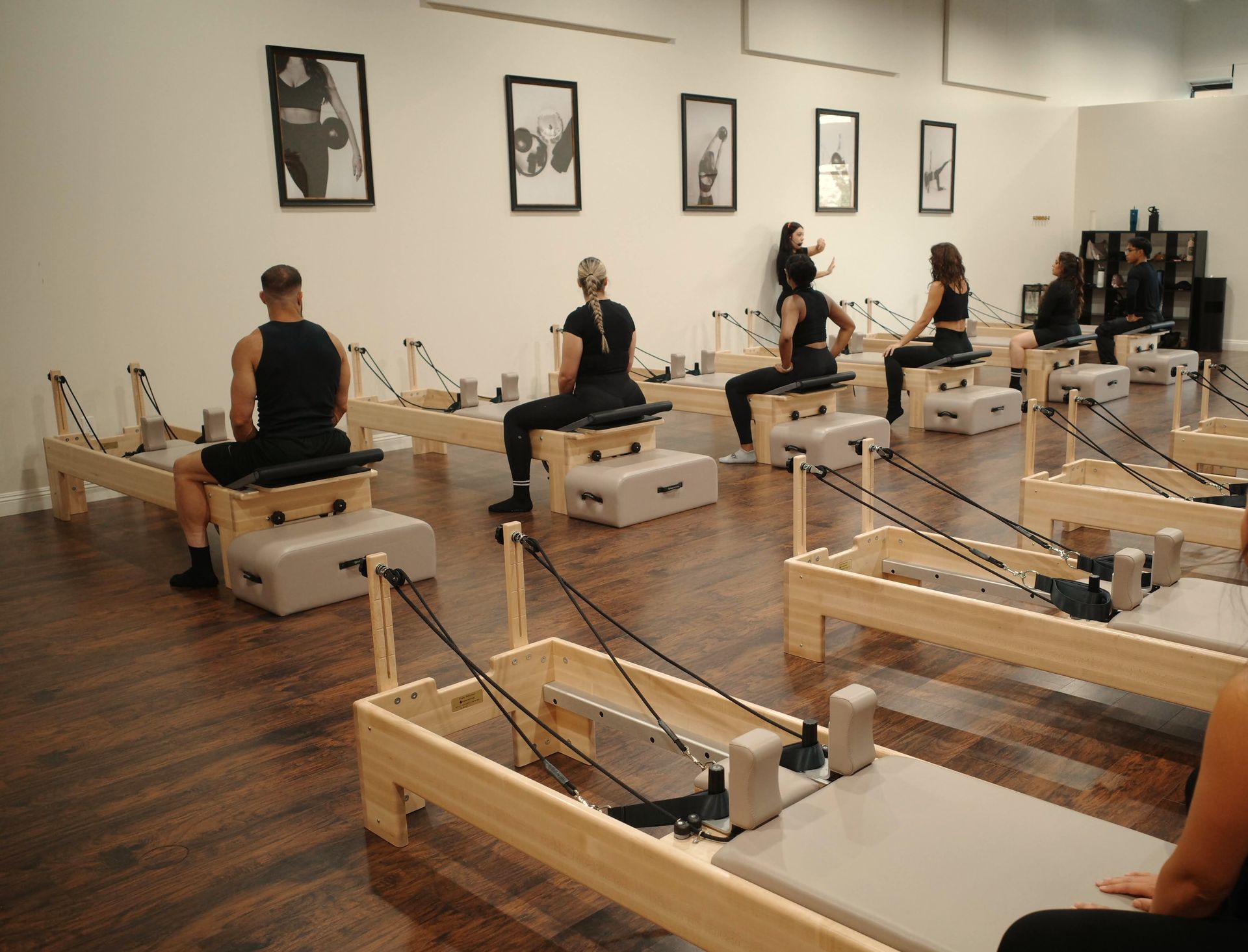
Client pressing the reformer carriage against spring resistance during a strength-focused Pilates cl
November 1, 2026
Yes, reformer Pilates counts as strength training. See how spring resistance builds muscle, what the research shows, and how often to train for results.
September 28, 2026
Private reformer Pilates events at Tone in Manteca. bachelorette parties, milestone birthdays, corporate wellness, and studio buyouts. Book yours.
Group of friends celebrating a private bachelorette party reformer Pilates class at a Manteca
September 8, 2026
Book a private reformer Pilates event in Manteca at Tone! Perfect for bachelorettes, birthdays, and team building. Reserve your private studio buyout in the 209.
August 17, 2026
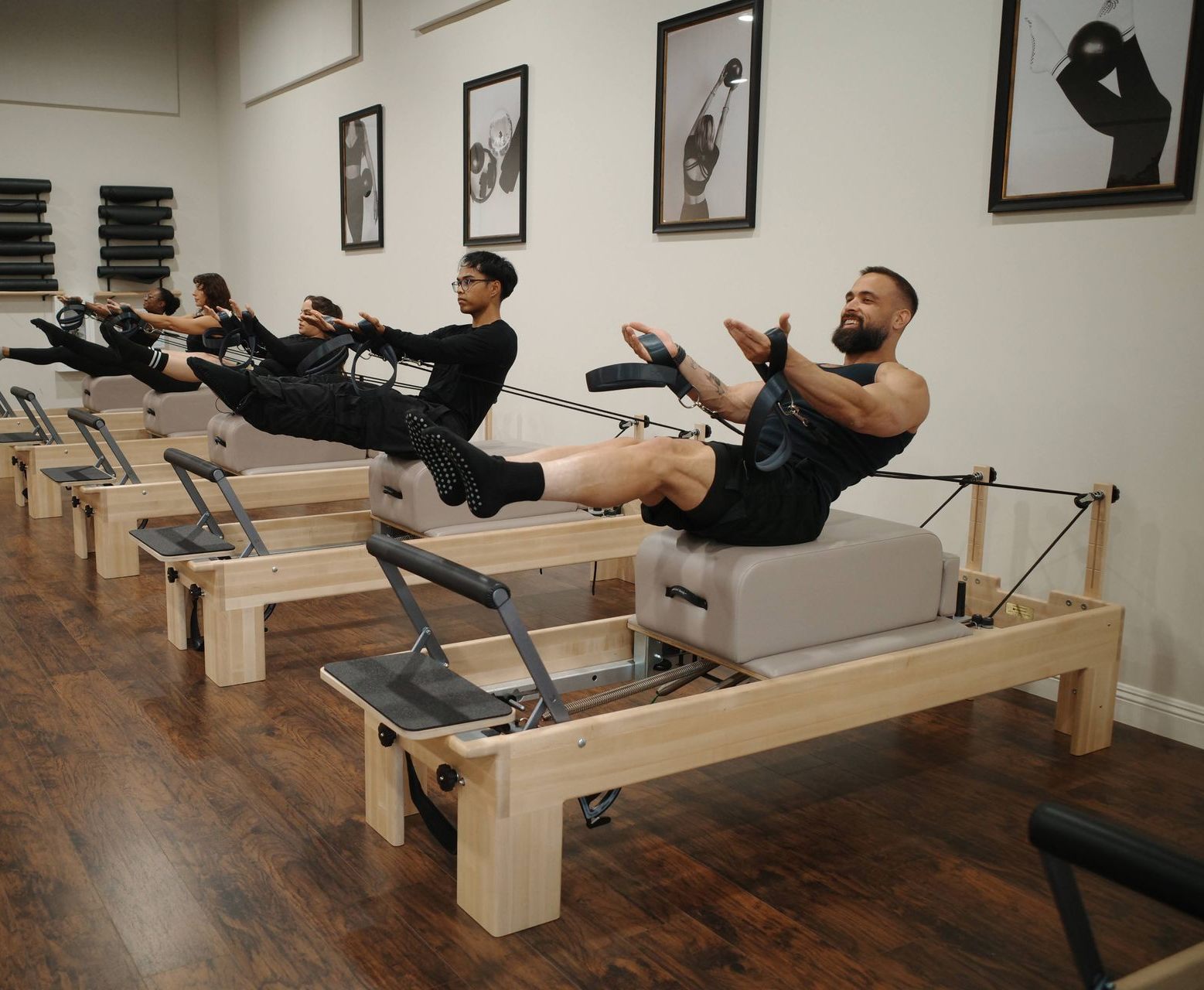
Reformer Pilates for Men: Why More Guys Are Booking Classes in the 209
August 10, 2026
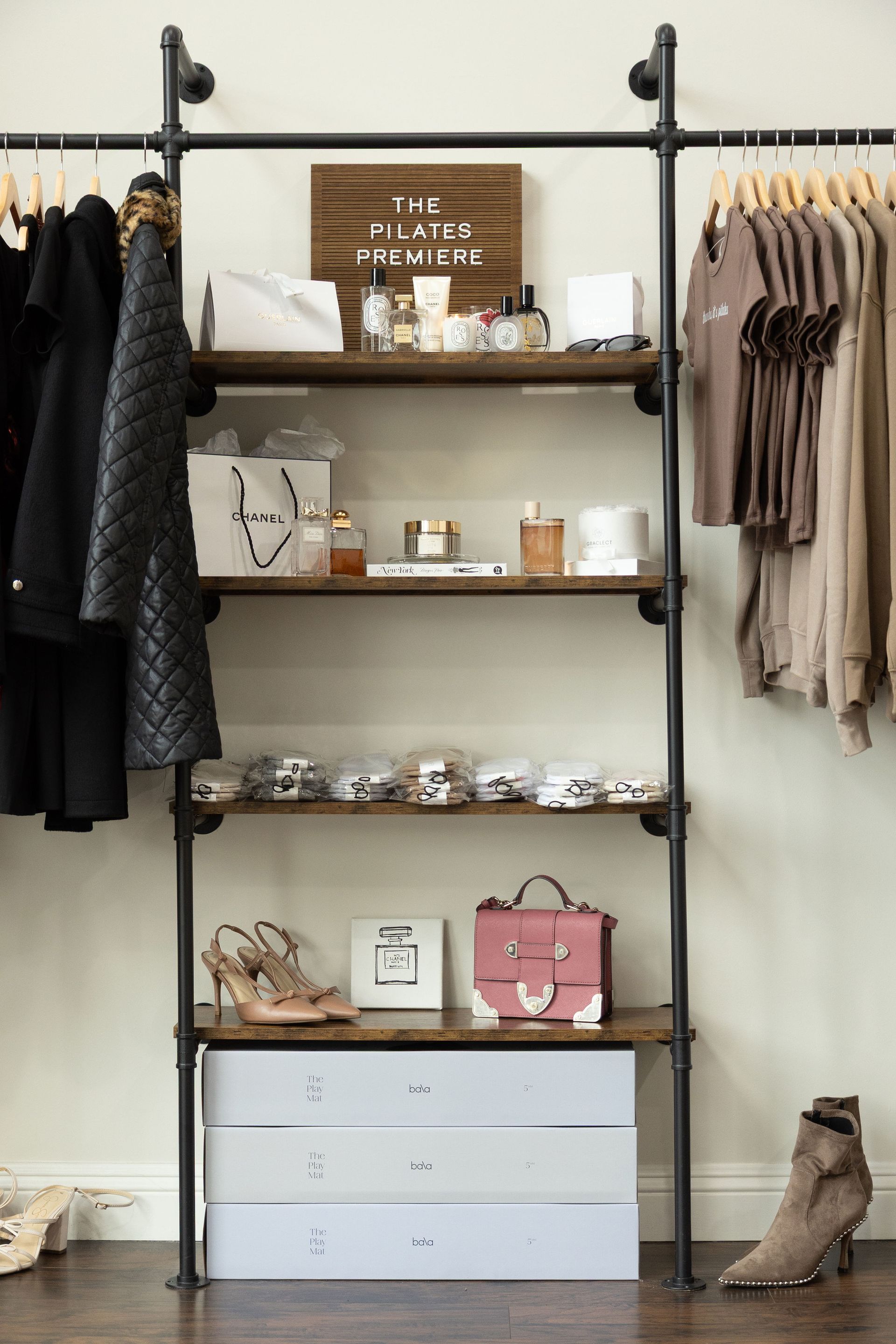
What to Wear to Reformer Pilates: A Beginner's Checklist
August 1, 2026
A Realistic Weekly Guide for Beginners

July 19, 2026
If you run in the 209, you already know the pattern. You're logging miles through Manteca neighborhoods, along the Delta trails, or racing in Stockton and Modesto. You're fit. Your cardiovascular engine is strong. And every few months, something starts nagging. A tight hip. A cranky IT band. A knee that only speaks up on downhills. Running builds an incredible engine. What it doesn't build is the small stabilizing muscles that keep your joints tracking correctly at mile 12. That gap is where reformer Pilates lives. Here's why more and more runners across Manteca, Lathrop, Stockton, and Tracy are treating reformer Pilates as essential cross-training instead of an optional extra. The Real Problem Runners Face Running is a repetitive single-leg activity. Every stride is a controlled fall from one foot to the other, and every landing sends impact up through your ankle, knee, hip, and lower back. If your glutes, deep core, and hip stabilizers are strong, that impact gets absorbed and translated into forward momentum. If they're weak or asleep (which is common in desk-bound runners), the impact leaks into your joints and connective tissue instead. That's where overuse injuries come from. The three most common problem areas for recreational runners: Weak or dormant glutes, especially the glute medius Poor hip stability under single-leg load Limited pelvic and thoracic mobility Reformer Pilates addresses all three directly. What the Reformer Actually Does for Runners The reformer is essentially a strength-training tool with variable resistance, precise range-of-motion control, and a heavy emphasis on stabilization. For runners, this translates into four specific benefits: 1. Glute activation that actually holds up mid-run. Exercises like footwork, single-leg bridging, and side-lying leg series force your glute medius and maximus to fire under load. This is the same muscle group that keeps your knee from collapsing inward on impact. 2. Deep core strength that supports your posture at mile 20. The transverse abdominis and pelvic floor are the muscles that keep your torso stable when everything else is fatigued. Reformer work targets these constantly through breath-linked movement. 3. Hip mobility without losing stability. Runners tend to develop tight hip flexors from repetitive forward motion and hours of sitting. The reformer opens the hip flexors through movements like long stretch and lunges while simultaneously teaching your glutes to fire on the other side. 4. Ankle and foot strength. Reformer footwork trains the small muscles of the foot and ankle in ways that regular strength training simply doesn't. Stronger feet mean better shock absorption on every stride. Runners Who Add Reformer Pilates Report: Fewer nagging overuse injuries Faster recovery between hard training sessions Better posture in late-race fatigue Improved uphill strength and downhill control A more efficient stride (less energy leaked through unstable hips) How Often Should a Runner Do Reformer Pilates? Two classes per week is the standard prescription for runners in their base and build phases. That's frequent enough to build meaningful strength without competing with your run workouts for recovery. During race taper or an intense mileage block, one class per week is enough to maintain the gains. Ideally on a non-run day or paired with an easy shakeout run. Avoid stacking a hard reformer class the day before a key long run or speed session. Your stabilizers will be tired, and tired stabilizers are the injury zone. A Sample Runner's Week Base building phase, 30 to 40 miles per week: Monday: Easy run Tuesday: Reformer Pilates Wednesday: Speed work or tempo run Thursday: Easy run or rest Friday: Reformer Pilates Saturday: Long run Sunday: Rest or easy recovery walk This pattern gives you two reformer sessions bookending your speed work, with your long run protected on Saturday. The Local Angle The 209 is a great place to be a runner. Between the Manteca Marathon, half marathons in Stockton, trail races in the Delta, and easy access to training routes across Lathrop and Tracy, there's a strong running community here. What's missing for a lot of local runners is a structured strength-and-mobility practice that actually complements their training instead of competing with it. That's exactly the gap reformer Pilates fills. At Tone Reformer Pilates in Manteca, we have runners of every level in our classes, from casual 5K runners to marathoners chasing Boston qualifiers. Our instructors understand the demands of running and can offer modifications when you're mid-training-block. Getting Started If you're a runner curious about adding reformer Pilates to your training, our intro offer is the easiest way to test it. Three classes lets you feel the difference in one to two weeks of real training. Come to your first class after an easy run day, not after a long run. Bring a water bottle, wear fitted athletic clothes, and expect to work. Book at tonereformerpilates.com. We're at 941 Lifestyle St in Manteca, serving runners from across the 209.
July 1, 2026
Why Consistency Beats Intensity in Reformer Pilates

Show More