
Reformer Pilates for Men: Why More Guys Are Booking Classes in the 209

August 17, 2026

Share this article

Reformer Pilates for Men: Why More Guys Are Booking Classes in the 209

Let's clear something up.


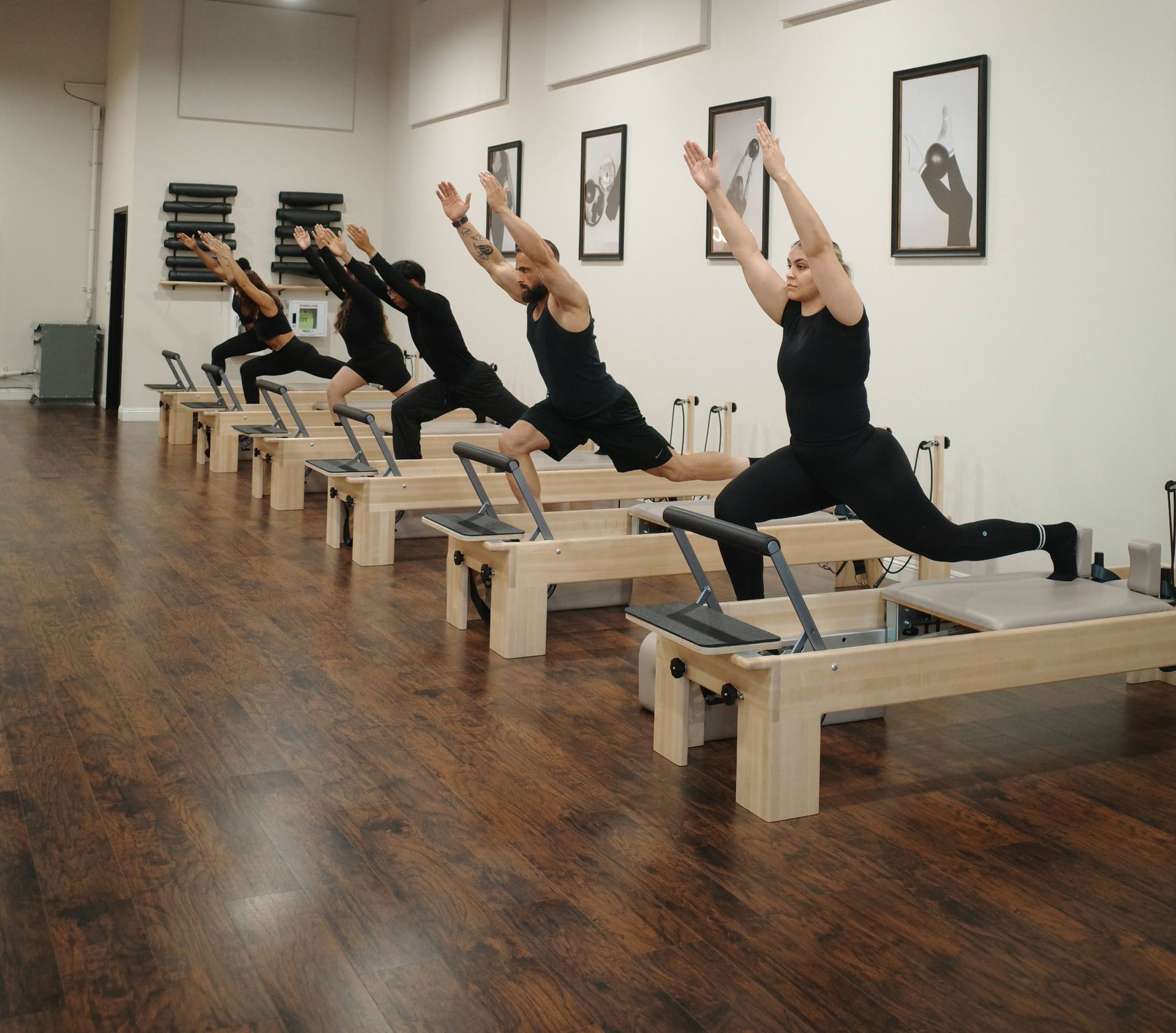
Pilates was invented by a man. Joseph Pilates was a boxer, gymnast, and self-defense trainer who created the method to rehabilitate injured soldiers and dancers during World War I. The first devotees of his method in New York City in the 1920s and 1930s were largely athletes and performers. Men have been doing Pilates since Pilates existed.


Somewhere along the way, the cultural narrative in America shifted, and Pilates got quietly boxed into the "women's fitness" category. That's changing fast, and nowhere is it more visible than in the mix of clients showing up at boutique studios across Northern California.


If you're a guy in Manteca, Lathrop, Stockton, or Tracy who's curious about reformer Pilates but hasn't pulled the trigger yet, this one's for you.


Why More Men Are Trying Reformer Pilates

Three shifts are driving this. First, professional athletes across major sports have been vocal about their Pilates practice. NFL quarterbacks, PGA golfers, NBA players, and Olympic sprinters have all talked publicly about how Pilates keeps them healthy and performing. When elite performers train a certain way, everyone else pays attention.


Second, men in their thirties, forties, and fifties are figuring out that traditional gym training has a ceiling. You can bench heavier and squat deeper only for so long before mobility, core stability, and joint health become the actual limiting factors. Pilates addresses all three directly.


Third, the injury math is unavoidable. Chronic lower back pain, tight hips, and stiff shoulders are so common in men over 35 that they've become almost expected. Reformer Pilates targets exactly the muscle groups that prevent these issues.


What Reformer Pilates Actually Does for Men

The reformer is a strength training tool. Full stop. It uses spring-based resistance, which means you can load your muscles heavily while controlling range of motion in ways free weights don't allow.

For men, the specific benefits tend to show up in four areas:


Core strength that transfers. The core work in reformer Pilates is more sophisticated than what you get from crunches or planks. It teaches the deep stabilizers to fire in coordination with your breath and your limbs, which translates directly to bigger, safer lifts in the gym.


Hip mobility without losing stability. Sitting all day tightens hip flexors and shuts down glutes. This combination is the source of most lower back pain in adult men. Reformer work opens the hip flexors while activating the glutes, and does both in the same movement.


Shoulder health and thoracic mobility. Bench-heavy training and desk work both round the shoulders forward. Reformer exercises like chest expansion, long stretch, and rowing series pull the shoulders back into proper alignment and open the thoracic spine.


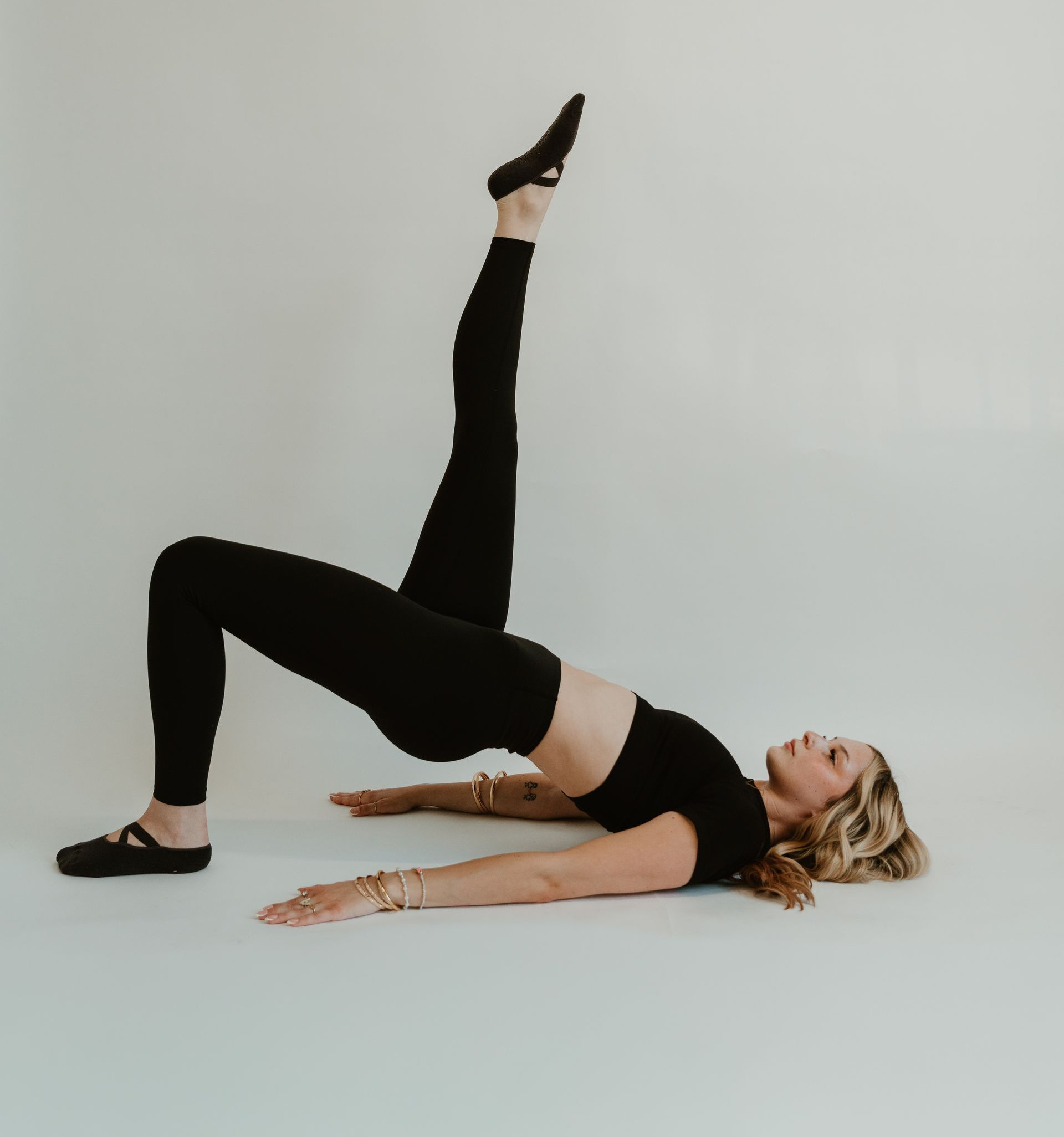
Balance and single-leg strength. Most gym training happens with both feet planted. Life and sport happen on one leg. Reformer work is heavy on single-leg exercises that expose and correct imbalances you didn't know you had.


"Is It Actually Hard?"

Yes.


This is the question every new male client asks, usually before their first class. And the answer is consistent: reformer Pilates is harder than most guys expect. Not in a heavy-breathing, cardio-blast way. In a specific-muscles-you-didn't-know-you-had way.


Expect to feel your obliques, inner thighs, glute medius, and deep abdominals in ways that regular gym training doesn't hit. Expect to sweat. Expect to be sore in the strangest places for a day or two after your first class.


The reformer doesn't care how much you bench. It exposes weaknesses in stabilization and control that heavy compound lifting sometimes hides.


What to Expect at Your First Class

You'll walk into a studio where the equipment might look unfamiliar. Your instructor will walk you through the reformer's basic parts (the carriage, the springs, the foot bar, the straps) before class starts. Arrive five to ten minutes early so you have time for this walkthrough.


You'll be in a class of eight to twelve people. There may be other men in your class. There may not. It doesn't matter. Everyone is focused on their own carriage.


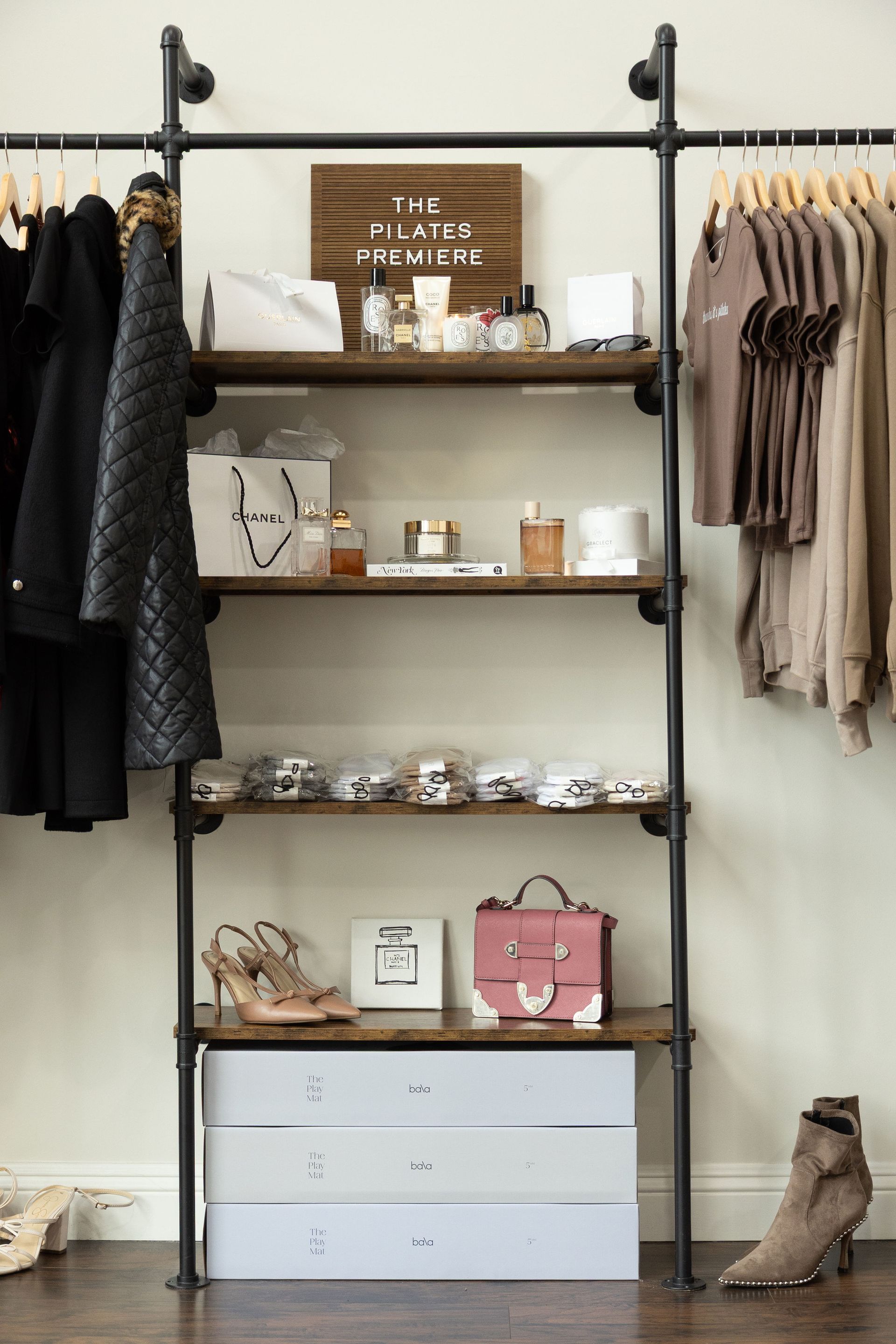
Wear fitted athletic clothes, bring grip socks (or buy a pair at the front desk), leave the loose gym shorts at home. Bring water.


The class will move through footwork, arm work, core work, and stretching. You'll use different spring settings for different exercises. Your instructor will offer modifications and progressions. Take them.


How Often Should Men Do Reformer Pilates?

Two to three classes per week is the standard recommendation. This is enough to see and feel strength gains within six to eight weeks without competing with your other training.


If you're using Pilates alongside gym work, we recommend Pilates on non-lifting days or after lifting sessions rather than before. The stabilizer fatigue from a hard reformer class will affect your compound lifts.


If Pilates is your primary strength practice, three classes a week is the sweet spot.


The Local Landscape

Reformer Pilates in the 209 is still growing. When Tone Reformer Pilates opened as Manteca's first

boutique reformer studio in December 2025, we knew part of our job would be introducing this method to a population that hadn't had convenient access to it. That includes local men who might have tried it in the Bay Area or LA and been waiting for something closer to home.


Our male clientele has grown steadily. We have guys in their twenties training alongside their gym routines, guys in their forties fixing chronic back pain, and guys in their sixties working on mobility and strength for the long haul.


Getting Started

Our intro offer is three classes at an introductory rate. It's the lowest-risk way to try reformer Pilates and figure out if it fits your training.


We recommend taking your three intro classes over one to two weeks so you feel the compounding effect, not spread out over a month.


Book at tonereformerpilates.com or call the studio at 209-340-1655. We're located at 941 Lifestyle St in Manteca, and we welcome clients from across the 209.

Recent Posts

Tone Reformer Pilates gift card and grip socks on a reformer in Manteca, CA
November 16, 2026
The best Pilates gift ideas for 2026, from class packs and gift cards to grip socks and stocking stuffers. Picks from a Manteca reformer studio.
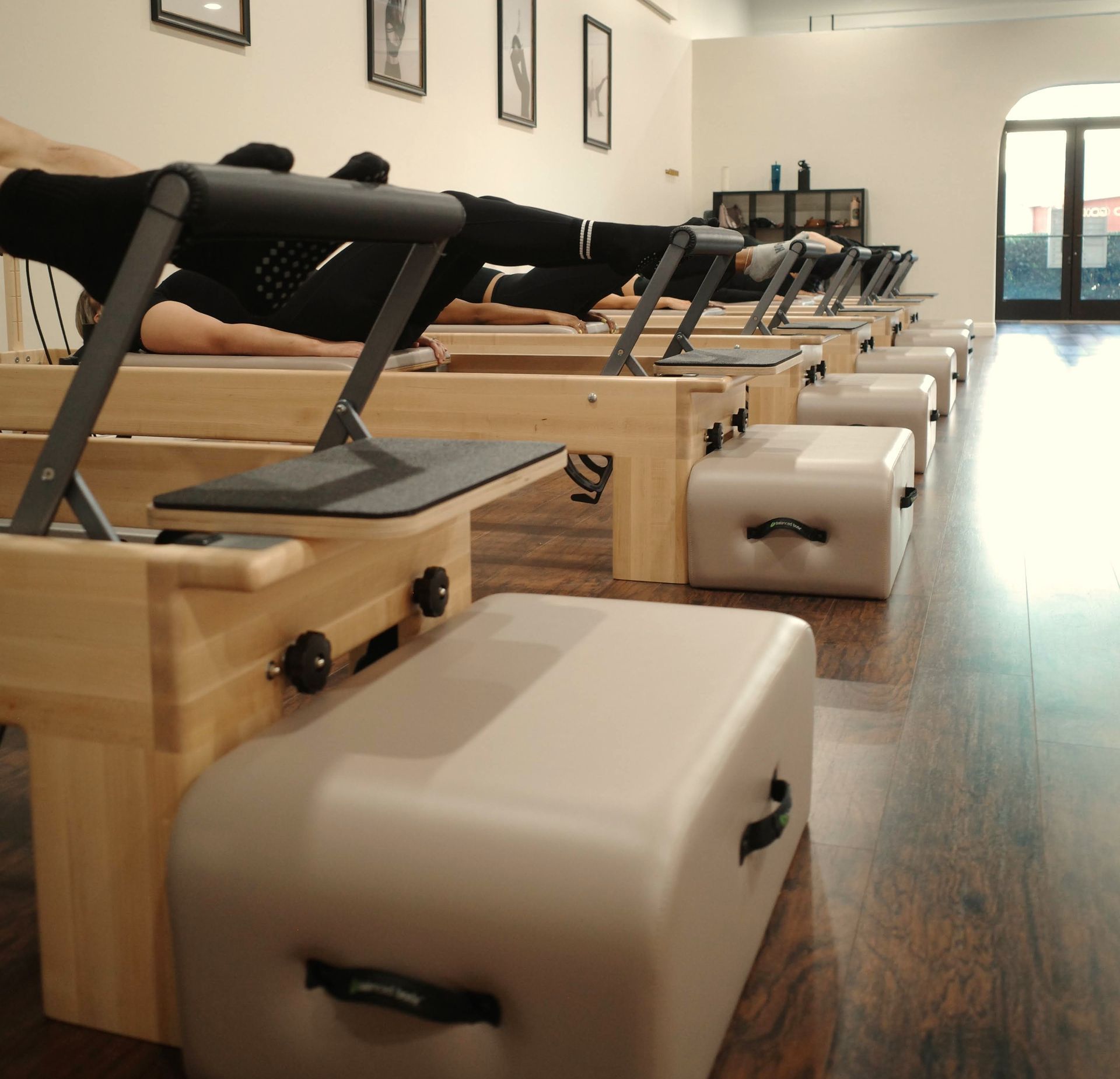
Group reformer Pilates class at Tone Reformer Pilates in Manteca, CA, with clients lying face down
November 9, 2026
Reformer classes at Tone are capped at 12, so your instructor can watch you closely.
Client pressing the reformer carriage against spring resistance during a strength-focused Pilates cl
November 1, 2026
Yes, reformer Pilates counts as strength training. See how spring resistance builds muscle, what the research shows, and how often to train for results.
Clients lying on maple reformers during a small group reformer Pilates in Manteca's Studio
October 21, 2026
Comparing Pilates studios in Manteca? Ask these 8 questions about class size, instructors, intro options, and memberships before you book your first class.
September 28, 2026
Private reformer Pilates events at Tone in Manteca. bachelorette parties, milestone birthdays, corporate wellness, and studio buyouts. Book yours.
Group of friends celebrating a private bachelorette party reformer Pilates class at a Manteca
September 8, 2026
Book a private reformer Pilates event in Manteca at Tone! Perfect for bachelorettes, birthdays, and team building. Reserve your private studio buyout in the 209.
August 10, 2026
What to Wear to Reformer Pilates: A Beginner's Checklist
August 1, 2026
A Realistic Weekly Guide for Beginners

July 19, 2026
If you run in the 209, you already know the pattern. You're logging miles through Manteca neighborhoods, along the Delta trails, or racing in Stockton and Modesto. You're fit. Your cardiovascular engine is strong. And every few months, something starts nagging. A tight hip. A cranky IT band. A knee that only speaks up on downhills. Running builds an incredible engine. What it doesn't build is the small stabilizing muscles that keep your joints tracking correctly at mile 12. That gap is where reformer Pilates lives. Here's why more and more runners across Manteca, Lathrop, Stockton, and Tracy are treating reformer Pilates as essential cross-training instead of an optional extra. The Real Problem Runners Face Running is a repetitive single-leg activity. Every stride is a controlled fall from one foot to the other, and every landing sends impact up through your ankle, knee, hip, and lower back. If your glutes, deep core, and hip stabilizers are strong, that impact gets absorbed and translated into forward momentum. If they're weak or asleep (which is common in desk-bound runners), the impact leaks into your joints and connective tissue instead. That's where overuse injuries come from. The three most common problem areas for recreational runners: Weak or dormant glutes, especially the glute medius Poor hip stability under single-leg load Limited pelvic and thoracic mobility Reformer Pilates addresses all three directly. What the Reformer Actually Does for Runners The reformer is essentially a strength-training tool with variable resistance, precise range-of-motion control, and a heavy emphasis on stabilization. For runners, this translates into four specific benefits: 1. Glute activation that actually holds up mid-run. Exercises like footwork, single-leg bridging, and side-lying leg series force your glute medius and maximus to fire under load. This is the same muscle group that keeps your knee from collapsing inward on impact. 2. Deep core strength that supports your posture at mile 20. The transverse abdominis and pelvic floor are the muscles that keep your torso stable when everything else is fatigued. Reformer work targets these constantly through breath-linked movement. 3. Hip mobility without losing stability. Runners tend to develop tight hip flexors from repetitive forward motion and hours of sitting. The reformer opens the hip flexors through movements like long stretch and lunges while simultaneously teaching your glutes to fire on the other side. 4. Ankle and foot strength. Reformer footwork trains the small muscles of the foot and ankle in ways that regular strength training simply doesn't. Stronger feet mean better shock absorption on every stride. Runners Who Add Reformer Pilates Report: Fewer nagging overuse injuries Faster recovery between hard training sessions Better posture in late-race fatigue Improved uphill strength and downhill control A more efficient stride (less energy leaked through unstable hips) How Often Should a Runner Do Reformer Pilates? Two classes per week is the standard prescription for runners in their base and build phases. That's frequent enough to build meaningful strength without competing with your run workouts for recovery. During race taper or an intense mileage block, one class per week is enough to maintain the gains. Ideally on a non-run day or paired with an easy shakeout run. Avoid stacking a hard reformer class the day before a key long run or speed session. Your stabilizers will be tired, and tired stabilizers are the injury zone. A Sample Runner's Week Base building phase, 30 to 40 miles per week: Monday: Easy run Tuesday: Reformer Pilates Wednesday: Speed work or tempo run Thursday: Easy run or rest Friday: Reformer Pilates Saturday: Long run Sunday: Rest or easy recovery walk This pattern gives you two reformer sessions bookending your speed work, with your long run protected on Saturday. The Local Angle The 209 is a great place to be a runner. Between the Manteca Marathon, half marathons in Stockton, trail races in the Delta, and easy access to training routes across Lathrop and Tracy, there's a strong running community here. What's missing for a lot of local runners is a structured strength-and-mobility practice that actually complements their training instead of competing with it. That's exactly the gap reformer Pilates fills. At Tone Reformer Pilates in Manteca, we have runners of every level in our classes, from casual 5K runners to marathoners chasing Boston qualifiers. Our instructors understand the demands of running and can offer modifications when you're mid-training-block. Getting Started If you're a runner curious about adding reformer Pilates to your training, our intro offer is the easiest way to test it. Three classes lets you feel the difference in one to two weeks of real training. Come to your first class after an easy run day, not after a long run. Bring a water bottle, wear fitted athletic clothes, and expect to work. Book at tonereformerpilates.com. We're at 941 Lifestyle St in Manteca, serving runners from across the 209.
July 1, 2026
Why Consistency Beats Intensity in Reformer Pilates

Show More